Where it started
Smitch started in the final year of college. Two founders. A robotics lab. And a frustration that home automation had not meaningfully changed in years.
In 2015, automating your home meant planning for it before you built the house. You called a contractor. You ran conduit. You committed to a system before you understood what you needed. For anyone living in an existing home, which was almost everyone, there was no option at all.
We had spent the previous year competing in the Mahindra Rise Autonomous Car Challenge. We were the only non-IIT college selected for the finals. Among hundreds of teams, we were one of three awarded a Mahindra e2o car to implement our concept. The project taught us what it felt like to build something ambitious without a safety net. When we handed it to the next batch and looked at what to do next, we already knew we wanted to build something real.
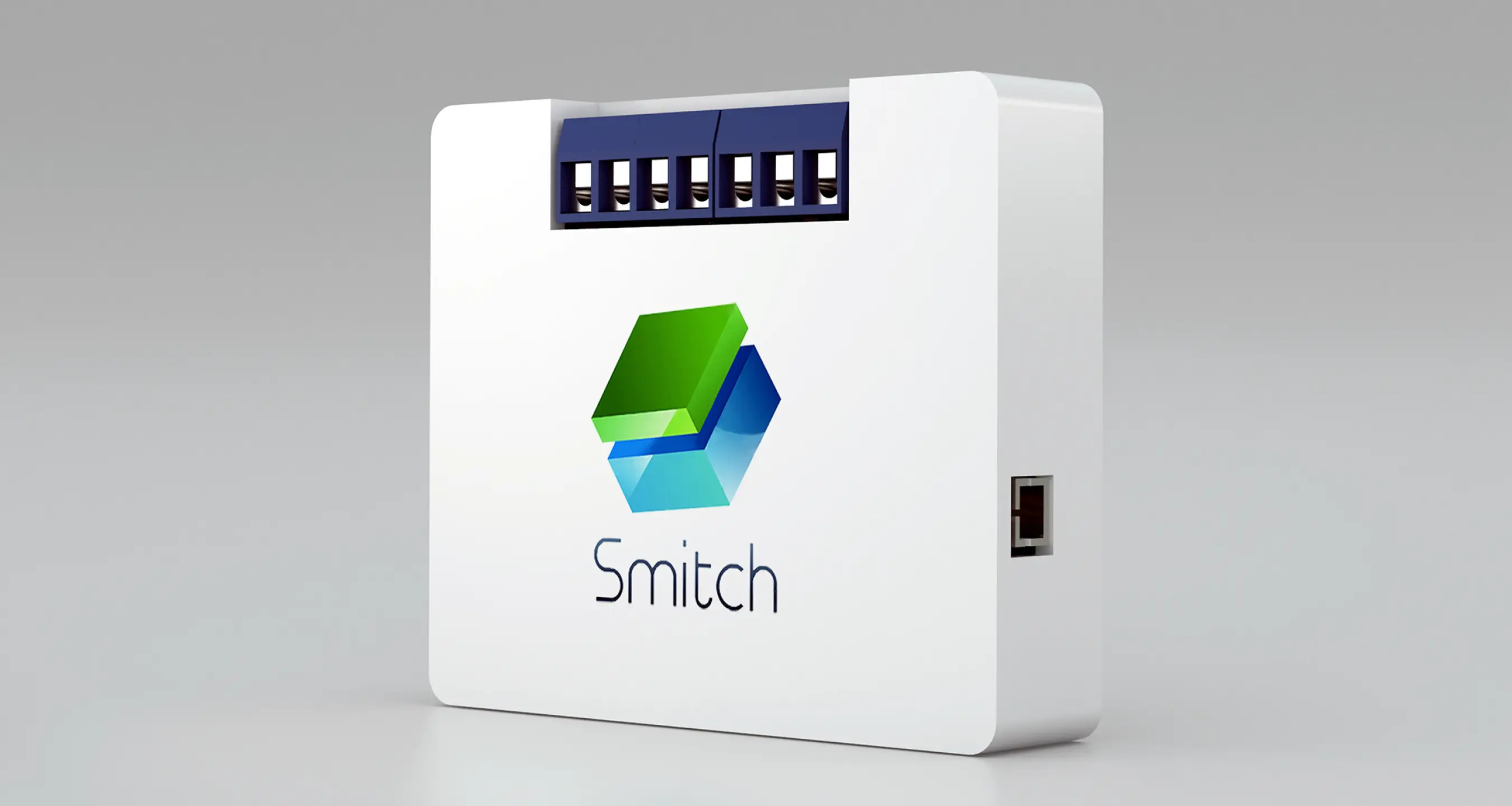
The problem we kept coming back to was the switchboard. Every home had one. Nobody had touched the design in decades. We built a retrofit module, a smart switch that could be installed inside an existing switchboard without rewiring, without a contractor, without planning it at the time of construction. The depth was 25mm. Slim enough to fit inside switchboards that no competitor could reach. We could automate any existing home, in any configuration, with any switchboard brand. That was the entry point no one else had.
We won the Danfoss Innovator Award for it. 1,50,000 rupees in prize money. That was the seed capital for everything that followed.
The pivot that unlocked scale
The retrofit module worked. But distributing it did not. Distributor feedback was consistent. The product was interesting but the sales cycle was too long. Finding qualified technicians in each city was a constant problem. Indian household electrical infrastructure varied enormously, and edge cases that should have been rare were frequent enough to slow everything down. Every installation was a dependency. Every dependency was a risk. A startup with limited capital could not survive on a model where the product required a human being to activate it.
The insight was simple but took time to arrive at. Remove the installation dependency entirely. Build something a person could buy over the counter, take home, and set up themselves. No technician. No planning. No friction between purchase and use.
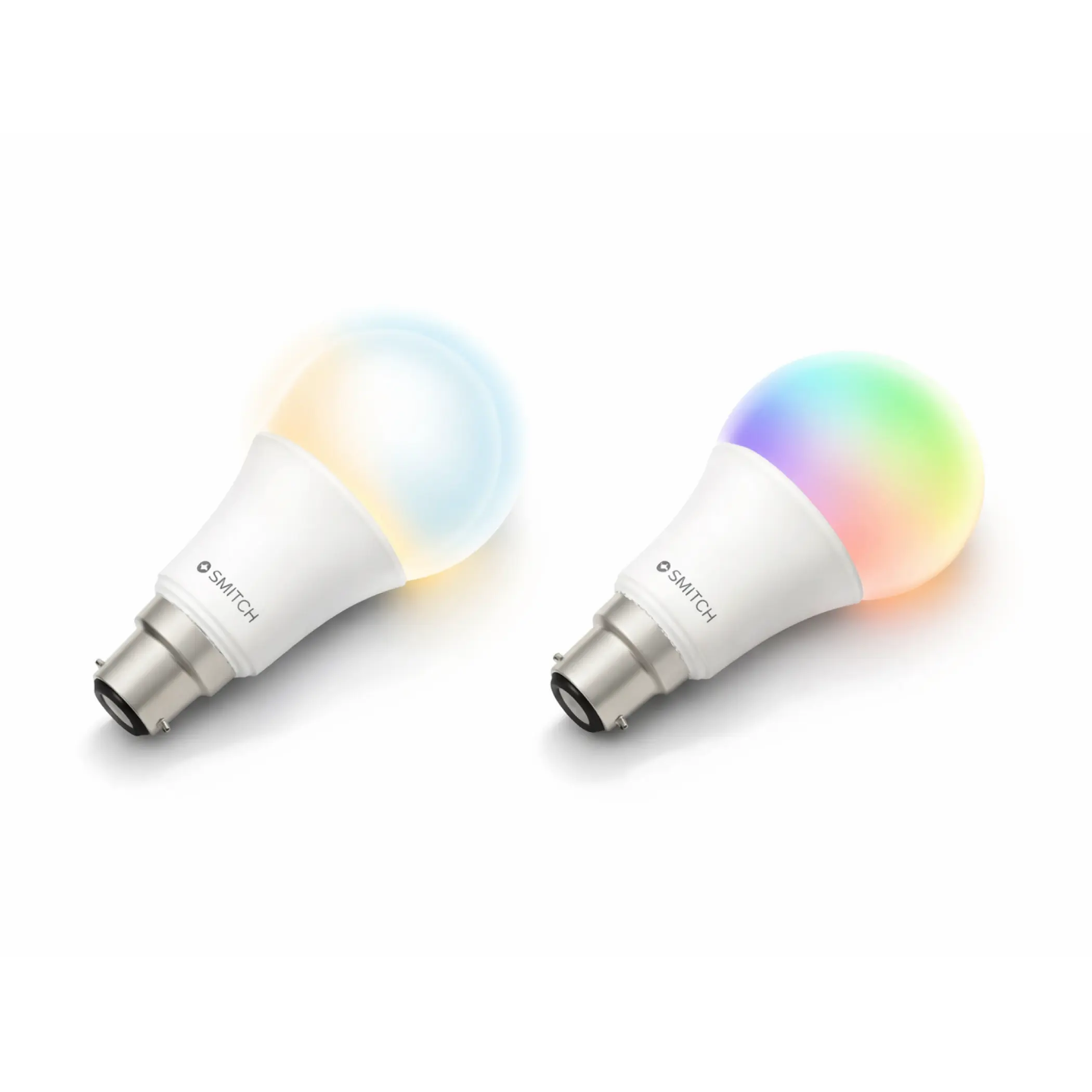
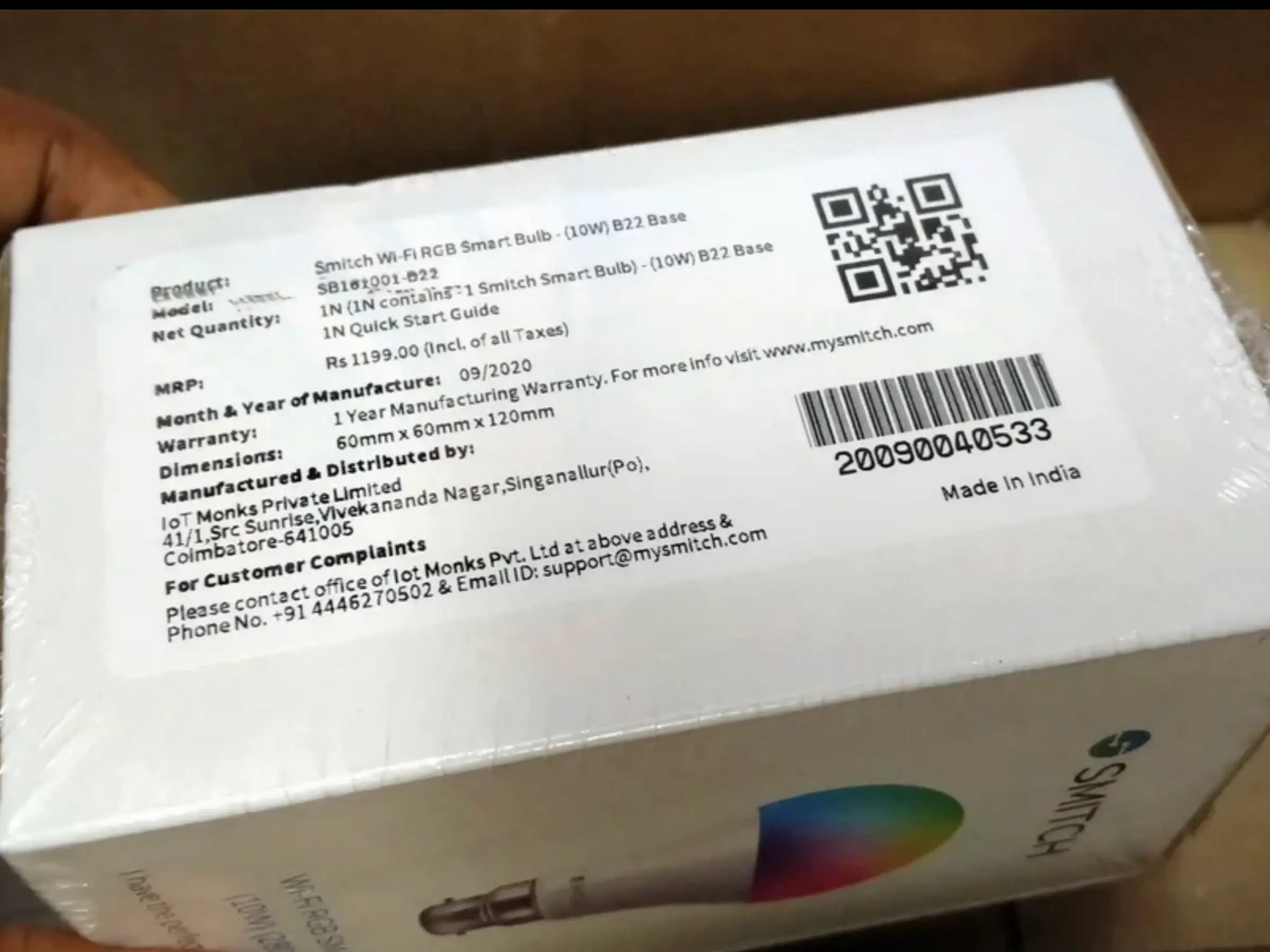
The first product was a smart bulb. I was the only technical person at that point. Hardware design, app, cloud server, firmware, everything. Our benchmark was Philips Hue. Not to copy it, but to match it on quality and beat it on accessibility. We tested it rigorously. We iterated on the manufacturing. We did not ship until we were confident the product would survive Indian electrical conditions without failing.
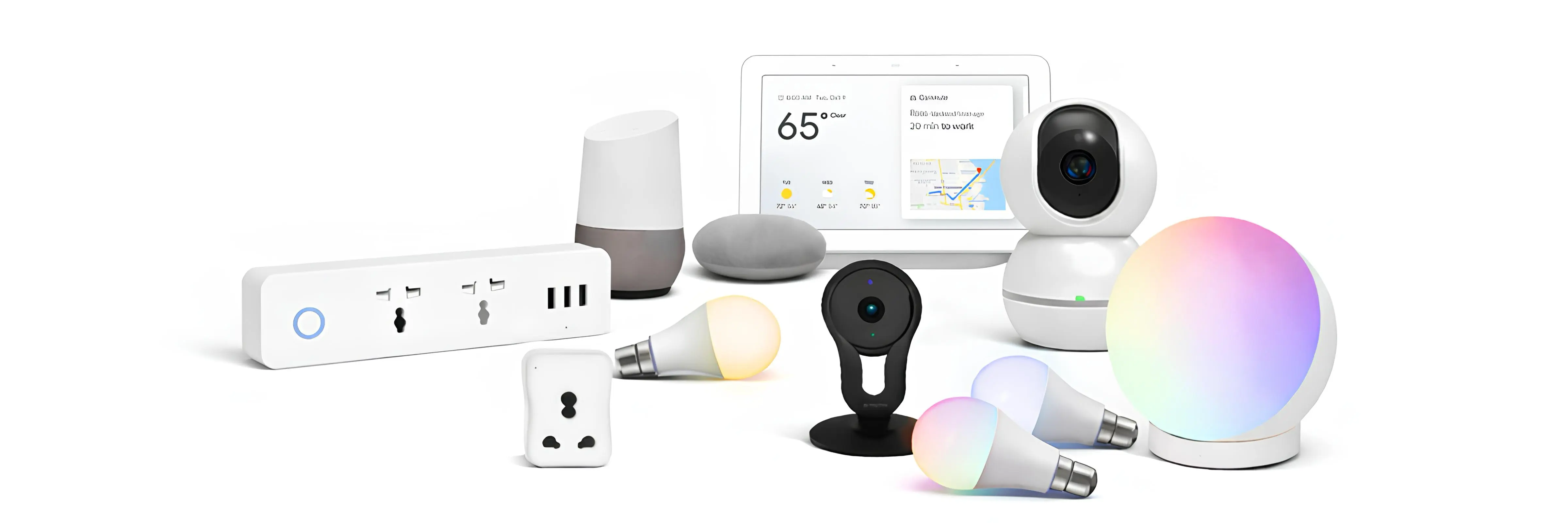
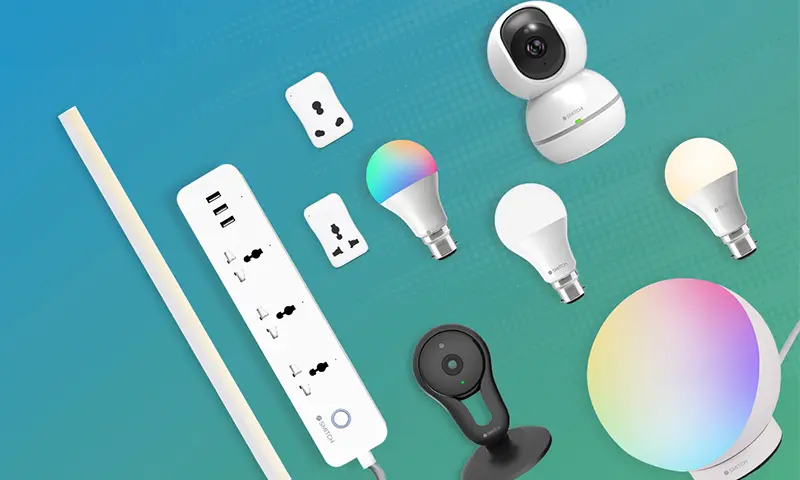
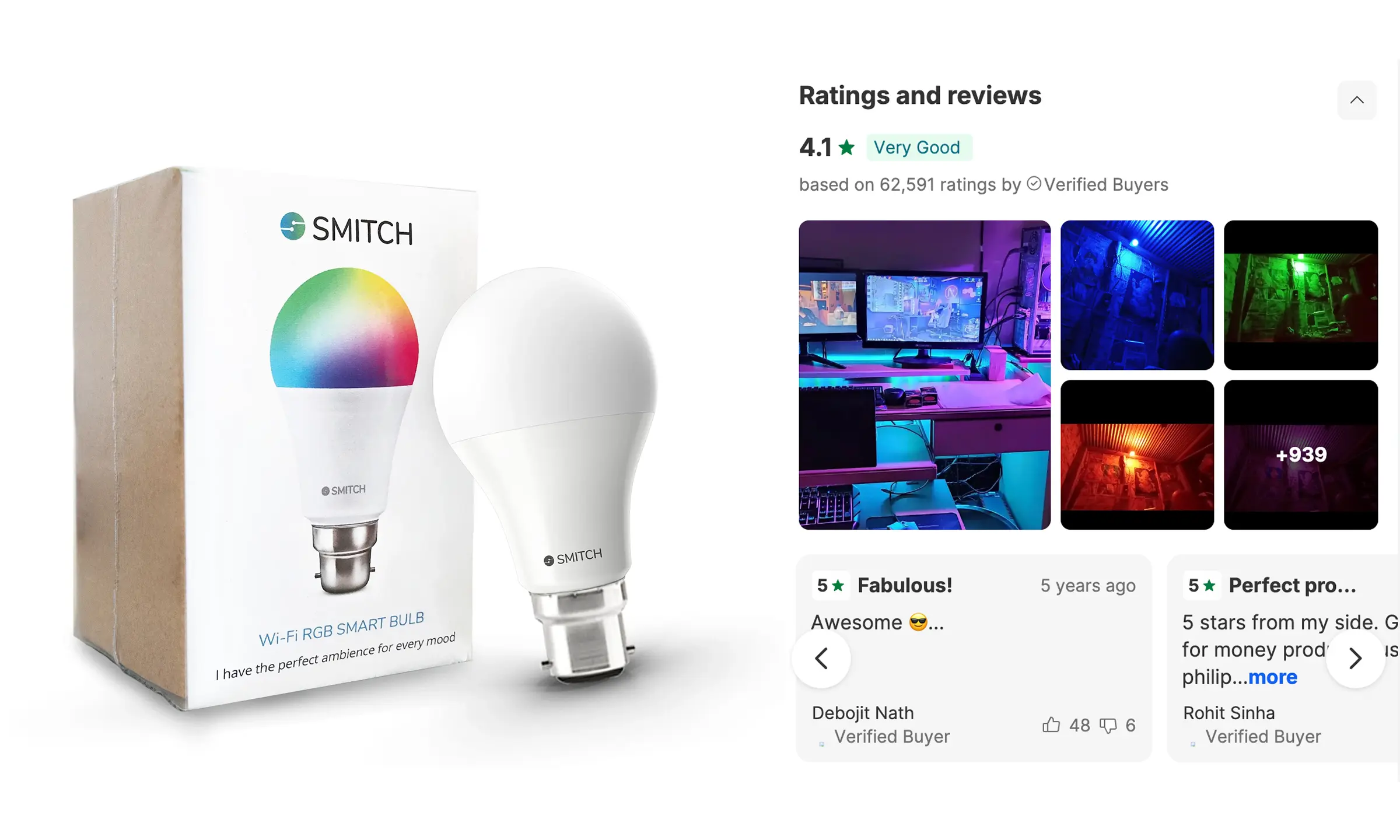
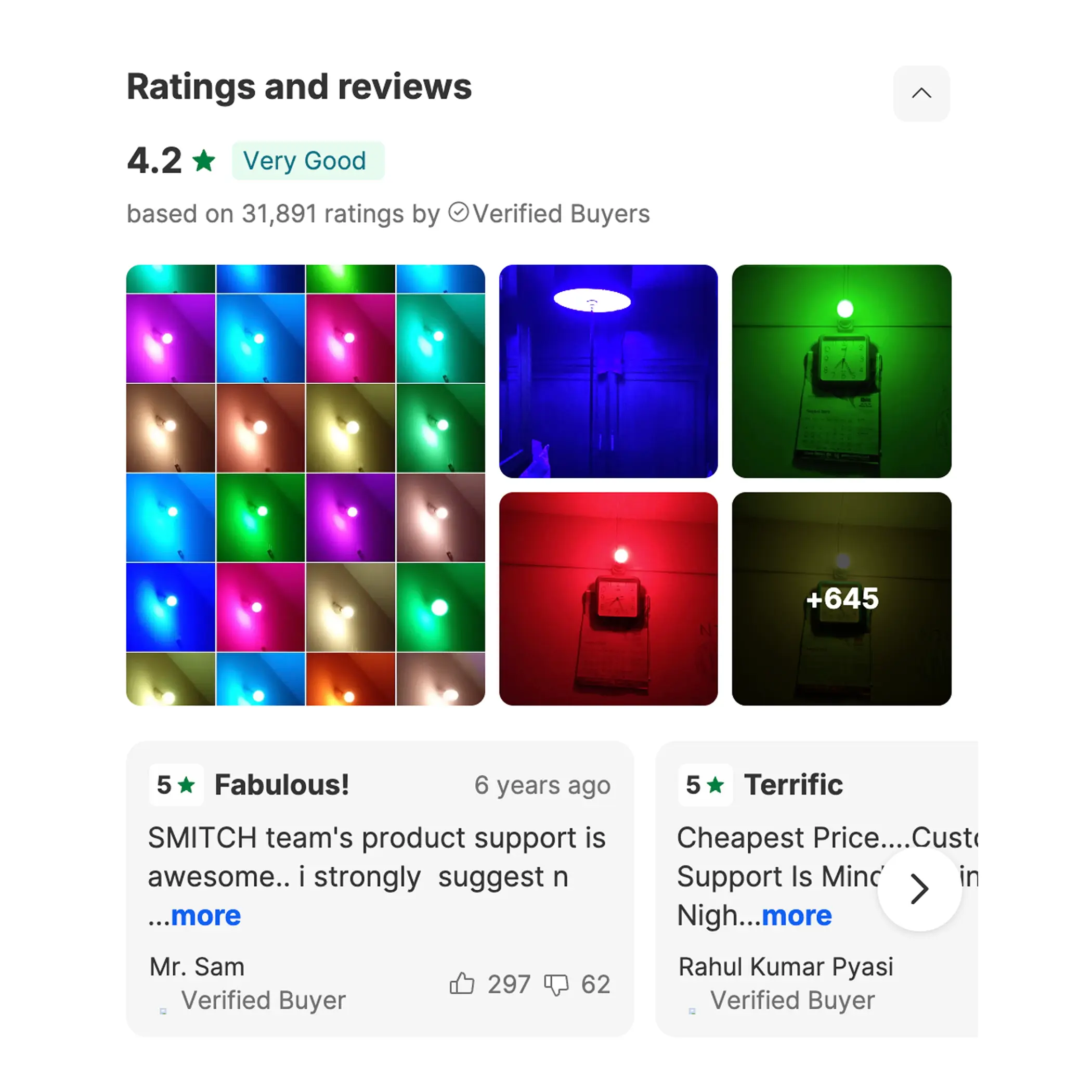
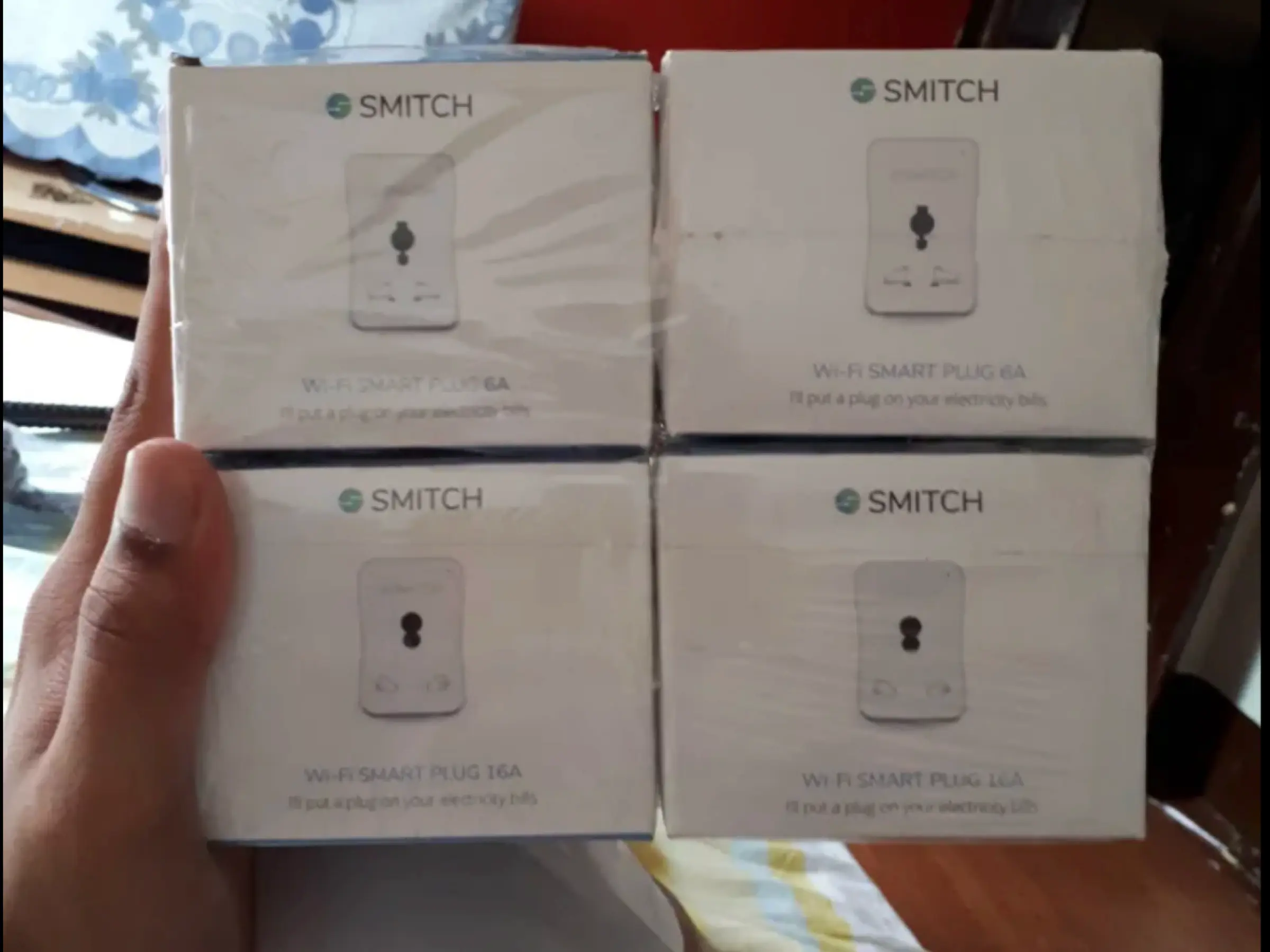
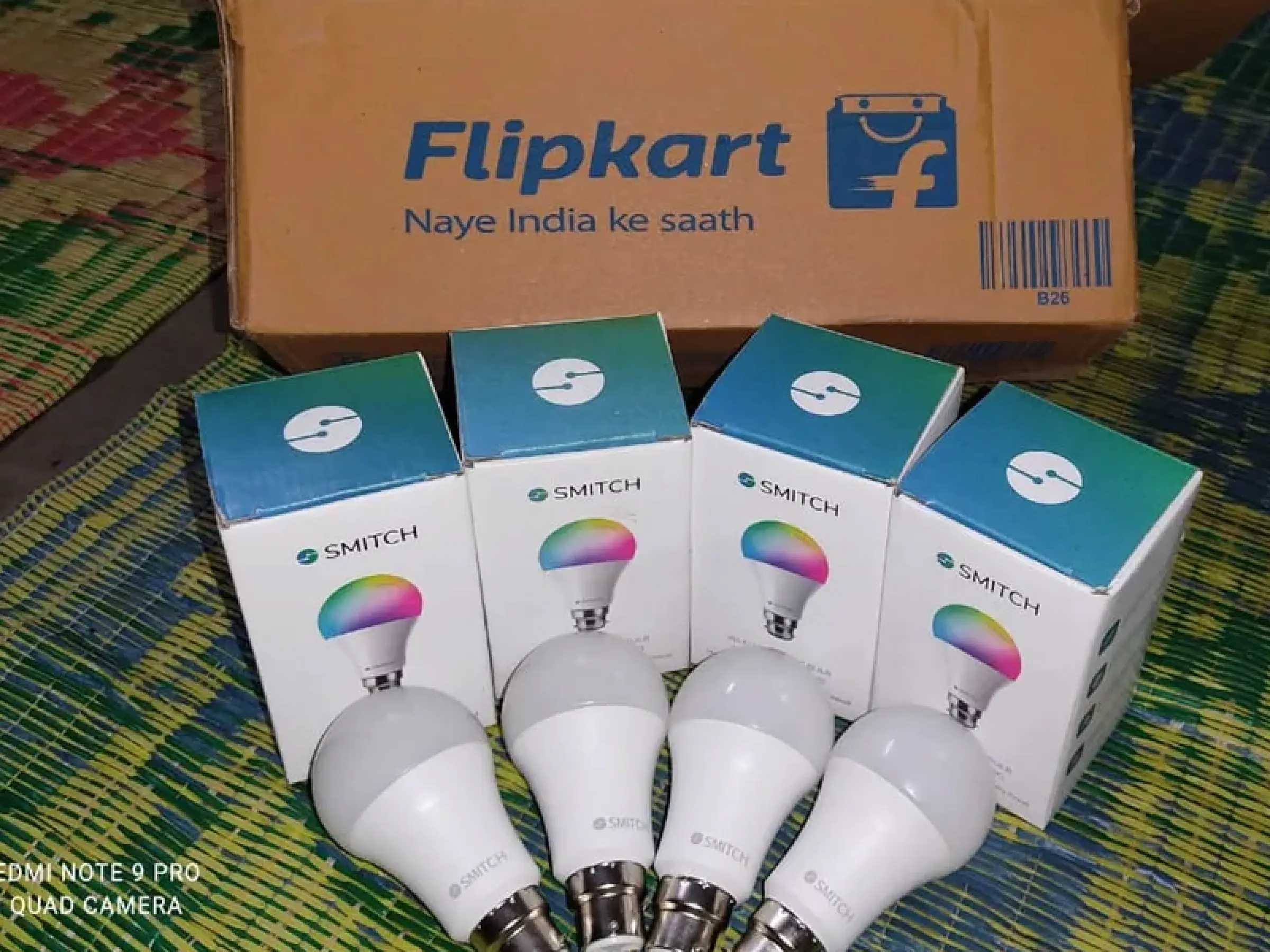
We got connected to Flipkart. Smart home was a growing category and internal teams were genuinely excited. We started with a manufacturing batch of 100 units. Then scaled further. Then expanded the SKU line. Smart plugs, smart extension boxes, smart batten lights. By 2019 we were the only smart home partner on Flipkart's Big Billion Days, one of the largest online sales events in the country. By 2020 we had 500,000 devices connected across India. 80% of sales came from the smart bulb.
The platform underneath it all
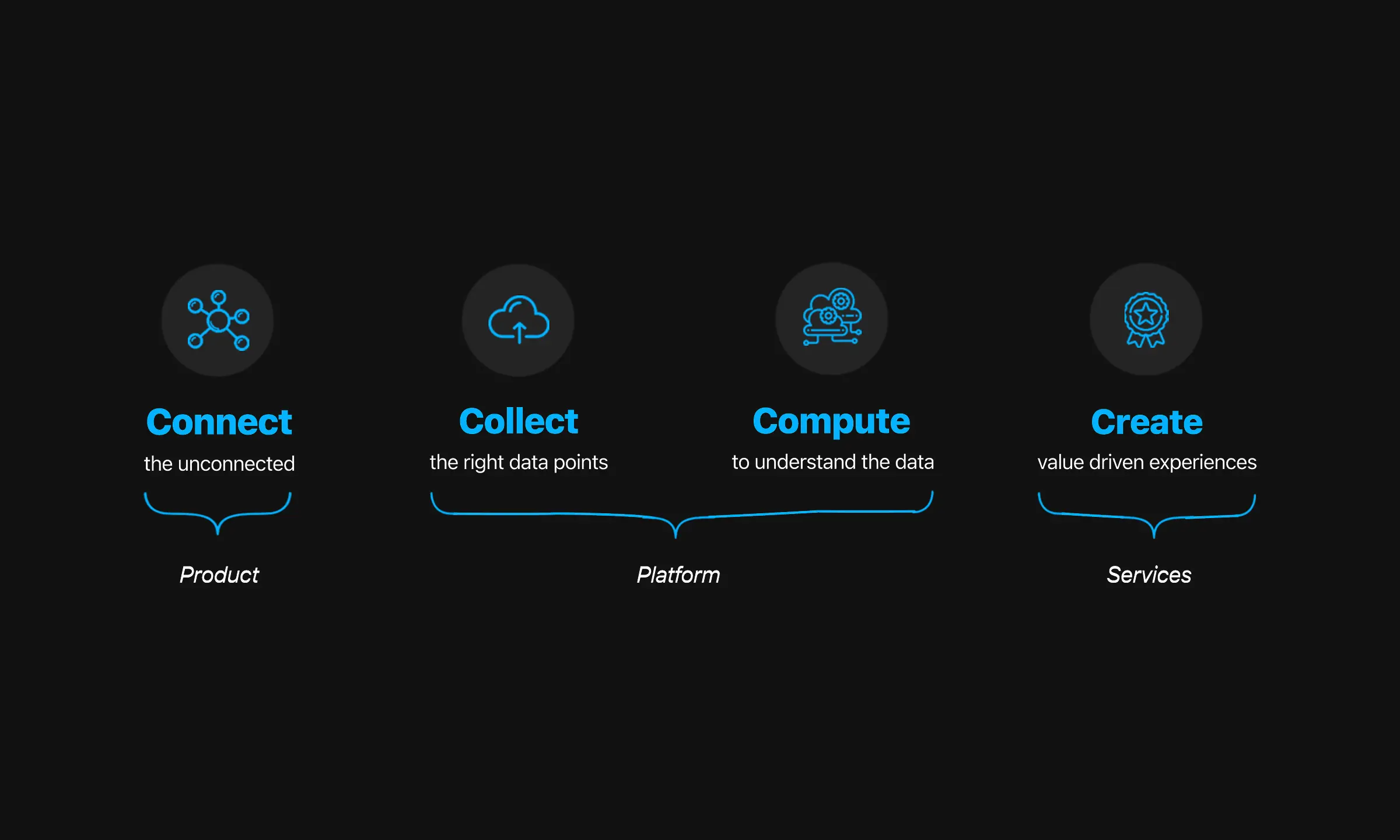
While the products were what users saw, the interoperability platform was what made everything possible. We built it around a guiding framework we called the 4C.
Connect. Every device, regardless of type or manufacturer, needed to join the ecosystem without friction. The connection experience had to be seamless enough that a first-time user in a Tier 3 city could do it without help.
Collect. Every connected device generated data. The platform was designed to gather that data consistently, regardless of the device type, the communication protocol, or the network conditions it was operating under.
Compute. Raw data meant nothing on its own. The platform processed what it collected, drew relationships between data points, and turned signal into something actionable. Not data for its own sake. Data in service of a decision.
Create. The output of computation was not a dashboard. It was a service. A personalised experience, a recommendation, an automation, a response to something the user had not yet asked for. The platform was built to create value at the surface, not just store information underneath it.
The 4C framework was not designed for smart home alone. It was built with cross-industry integration in mind from the beginning. The same architecture that connected a smart bulb to a mobile app could connect a health wearable to a cloud inference engine. When we pivoted to Smitch Care, we were not rebuilding the platform. We were pointing the same four principles at a different problem.
What the calls taught us
From the beginning, we called every single customer. Not a support team. Not a chatbot. We called them personally to make sure the device was set up and to understand what they thought.
People were surprised. At that price point, no other smart home company was doing this. The calls became the best product research we had. We scaled it into a customer success team. At peak sales seasons, 15 people making 200 calls each per day.
One pattern that emerged from those calls changed the product roadmap. Users in Tier 2 and Tier 3 cities were buying the bulb. The novelty and the price were driving curiosity and sales. But many of them did not have a WiFi router at home. The standard setup flow required one. We were selling to people we had no way to onboard.
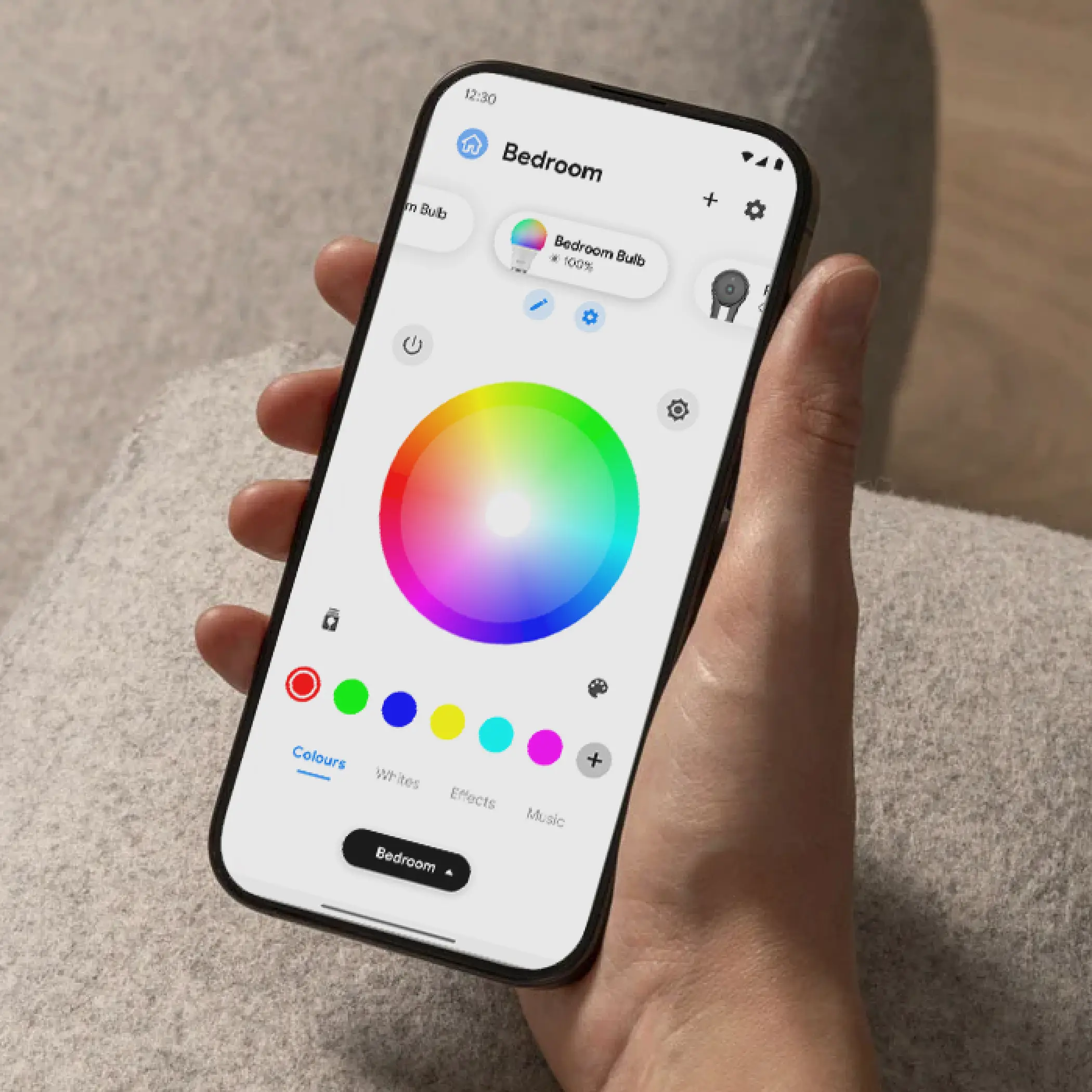
We built Lite Connect. A mode that allowed users to connect directly to the bulb as a WiFi hotspot and control it without a router at all. It was a feature born entirely from listening. Not from a product brief. Not from market research. From the calls.
That became the pattern. The calls were not just customer support. They were the feedback loop that shaped the product. The quality of what we built and the directness of how we listened were not separate things. They were the same thing.
Two users we never forgot
The calls also brought us stories we did not expect.
One user bought a Smitch bulb to gift to a friend who was paralysed. The two of them had worked out a system. When they thought of each other, they would change the colour of the bulb. The paralysed friend was in rehabilitation. Seeing the colour change meant someone was thinking of them. A smart bulb became a way for two people to stay connected without words.
Another user bought it for his father who could not hear. He described it as the best thing he could do to help his father when he had to be alone at home. The bulb became a visual doorbell. A flash of light when someone arrived. Something so simple it should have been built years earlier.
What we learned
These were not edge cases. They were reminders that the people who find the most unexpected uses for a product are often the ones who need it most. We thought we were building a convenience product. We were actually building for people who had been left out of that convenience entirely.
Voice, Alexa, and the Google partnership
The launch of voice technology changed everything in the smart home category. Amazon Alexa was the first to bring it to commercial scale.
We were part of the AWS Startup Ignite programme and had connections with the Amazon US team. We integrated Smitch devices with Alexa before it launched in India. We imported the hardware from the US for a small number of high-profile clients and ran the integrations ourselves. When Alexa launched in India, we were already there. Being first mattered not because of the press it generated but because it meant we understood the integration deeply before anyone else had to. When the market arrived, we were not scrambling to catch up.
The same happened with Google. We worked with the Google US team and had the integration running before Google Home was commercially available in India. When it launched, we were ready.
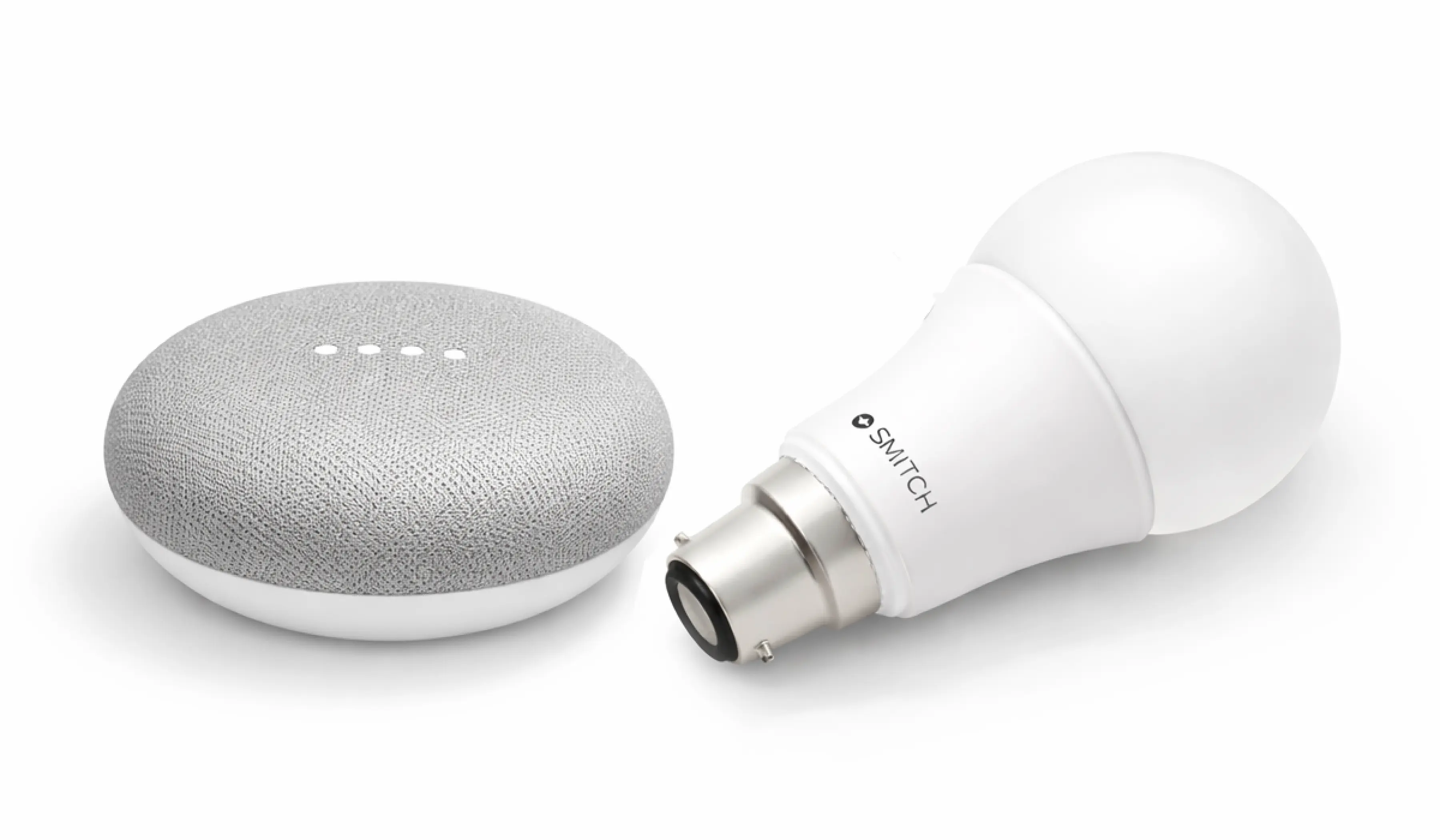
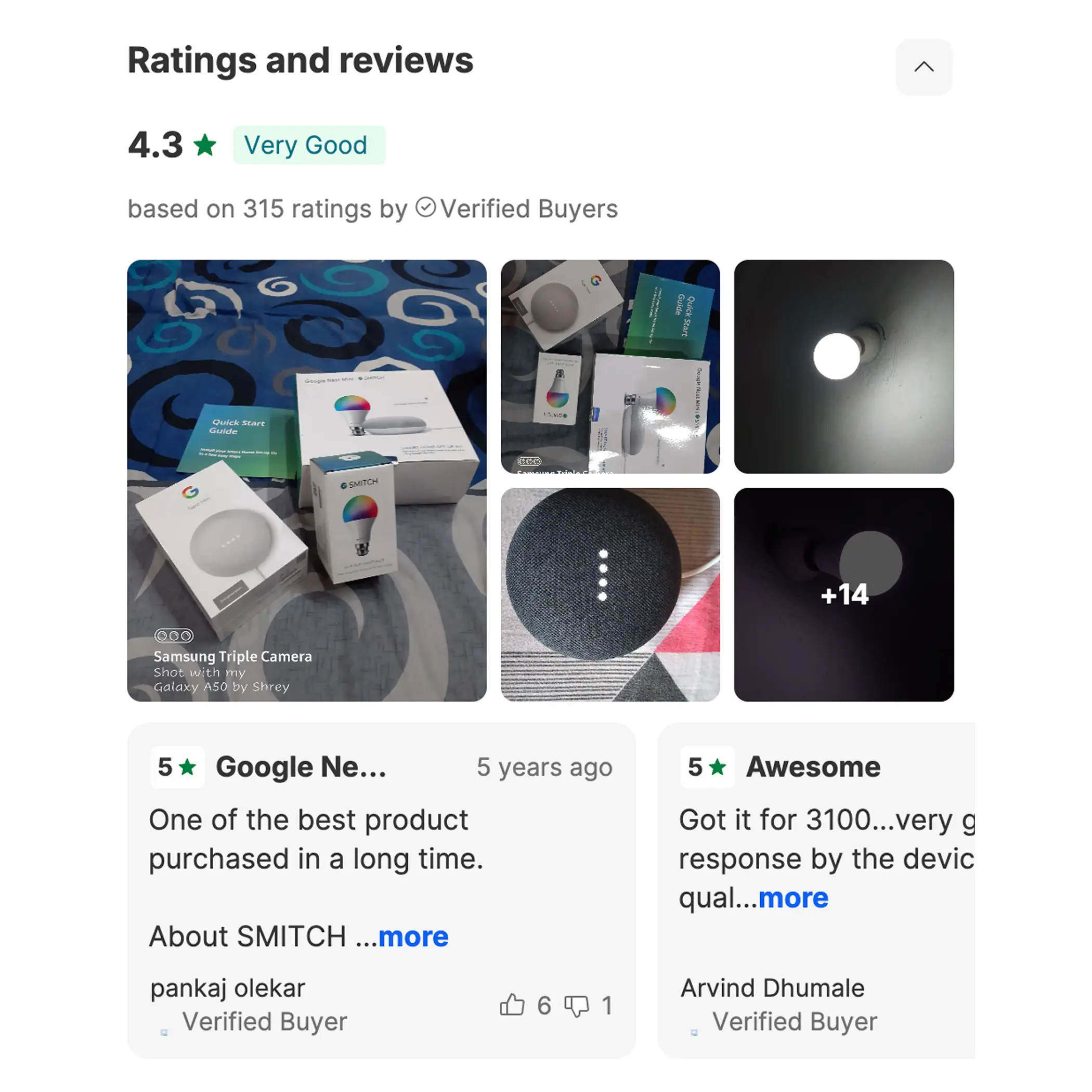
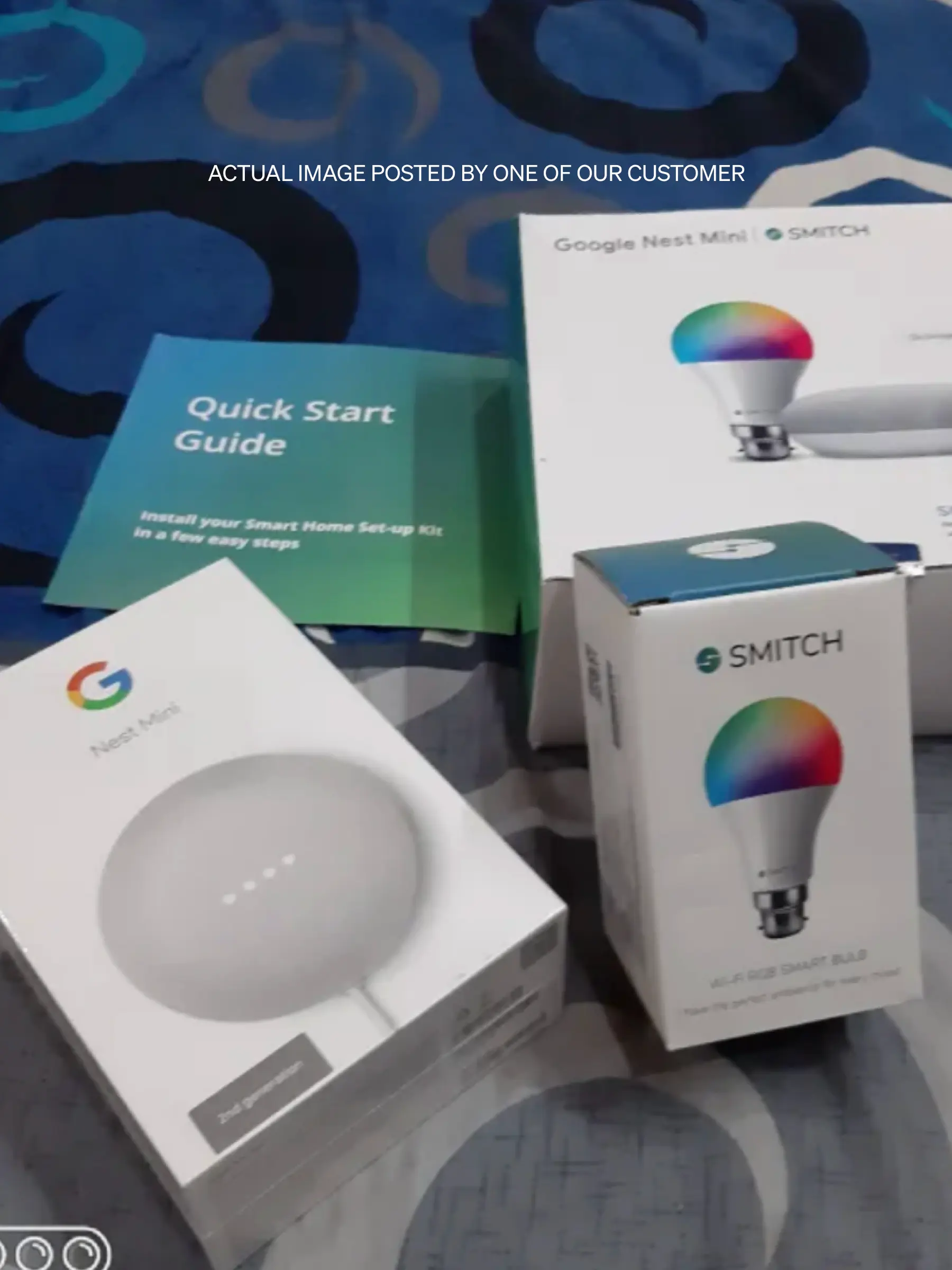
That preparation turned into something concrete. We pitched Google on a bundle partnership. They were up for it. Smitch Smart Bulb and Google Home sold together as a Smart Home Starter Kit on Flipkart. It was a validation that went beyond sales. The product that started as a retrofit module in a college lab was now bundled with one of the world's most recognisable consumer electronics brands.
What it meant to build it all
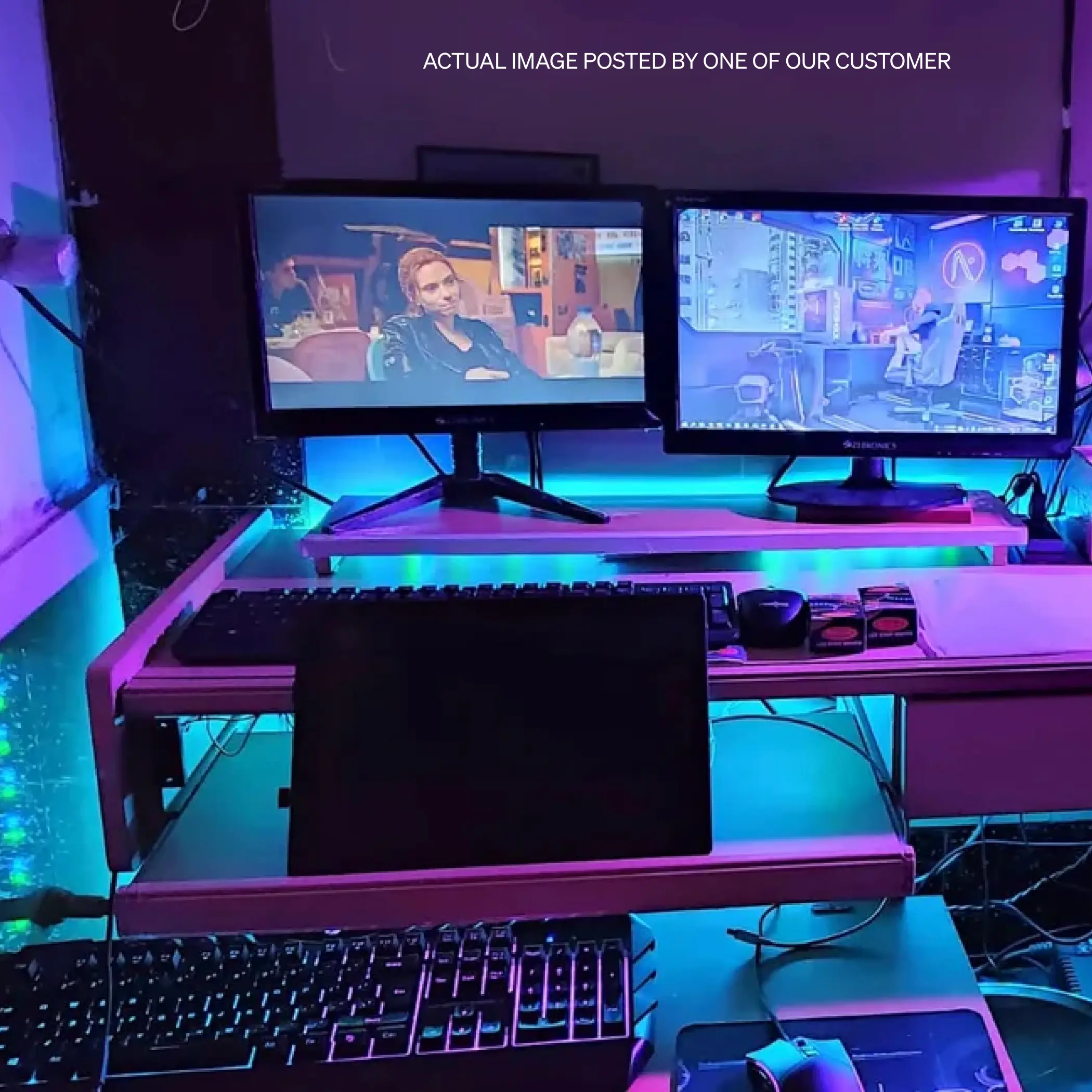
Some features solve problems. Music Sync created an experience nobody expected from a light bulb. The algorithm analysed beats, rhythm, and tempo in real time and mapped them to colour and movement. An upbeat track produced vibrant colours changing to the beat. A slow melody produced warm, gradually shifting hues moving to the rhythm. The accuracy came from reading the structure of the music, not just the volume. It was the kind of feature that people showed to friends. It was why people bought the second bulb.
That feature said something about how we built. We were not checking boxes on a product spec. We were trying to make something that earned a place in someone's home. A room is personal. The light in it is personal. The standard for what we shipped had to reflect that.
By 2020 we had built a complete ecosystem. Bulbs, plugs, extension boxes, batten lights, retrofit switchboard modules. A mobile app that connected everything. Cloud infrastructure that handled scale. Alexa and Google Home integration. A customer success operation that stayed close to users at a scale most hardware startups never attempt.
We had started with a switchboard module that fit inside a 25mm space. We ended with half a million devices in homes across India, in cities we had never visited, used in ways we had never imagined.