The belief we started with
Across three consecutive blood tests, my white blood cell count came back normal each time. But the numbers were moving steadily downward. Each result was fine. The direction was not.
At the time, my version of being proactive about health was simple. Regular blood tests, a doctor friend who would review the numbers, a clinic visit if something looked off. I thought that was enough. One day I started plotting the results in a spreadsheet. Not because I had a plan. Because I was curious about the pattern. That was when I noticed the trend.
I did not know what it meant. I started researching. There was no AI to ask, back in the early 2020s. Doctors brushed it off. I was told I was overthinking. So I kept digging. I found myself in online communities, cycling clubs, conversations with people trying to understand their bodies in more depth. Biohacking was new and noisy. Information was everywhere and much of it contradicted itself. The more I looked, the less I knew what to do.
It was not until I worked with a functional medicine doctor during my time building Smitch Care that I began to see the bigger picture. Blood data was one layer. Gut health was another. Genetics was another. Lifestyle was another. Each layer on its own told you something. Brought together, they told you something you could actually act on. That was the gap nobody had closed. Not because the data did not exist. Because nobody had built a system to connect it and make it legible to the person it belonged to.
Health is about our ability to function, not just about disease and death. The people who most needed help were not the ones already in a hospital. They were the ones going about their lives, quietly accumulating risk they could not see and had no language for.
What we were building
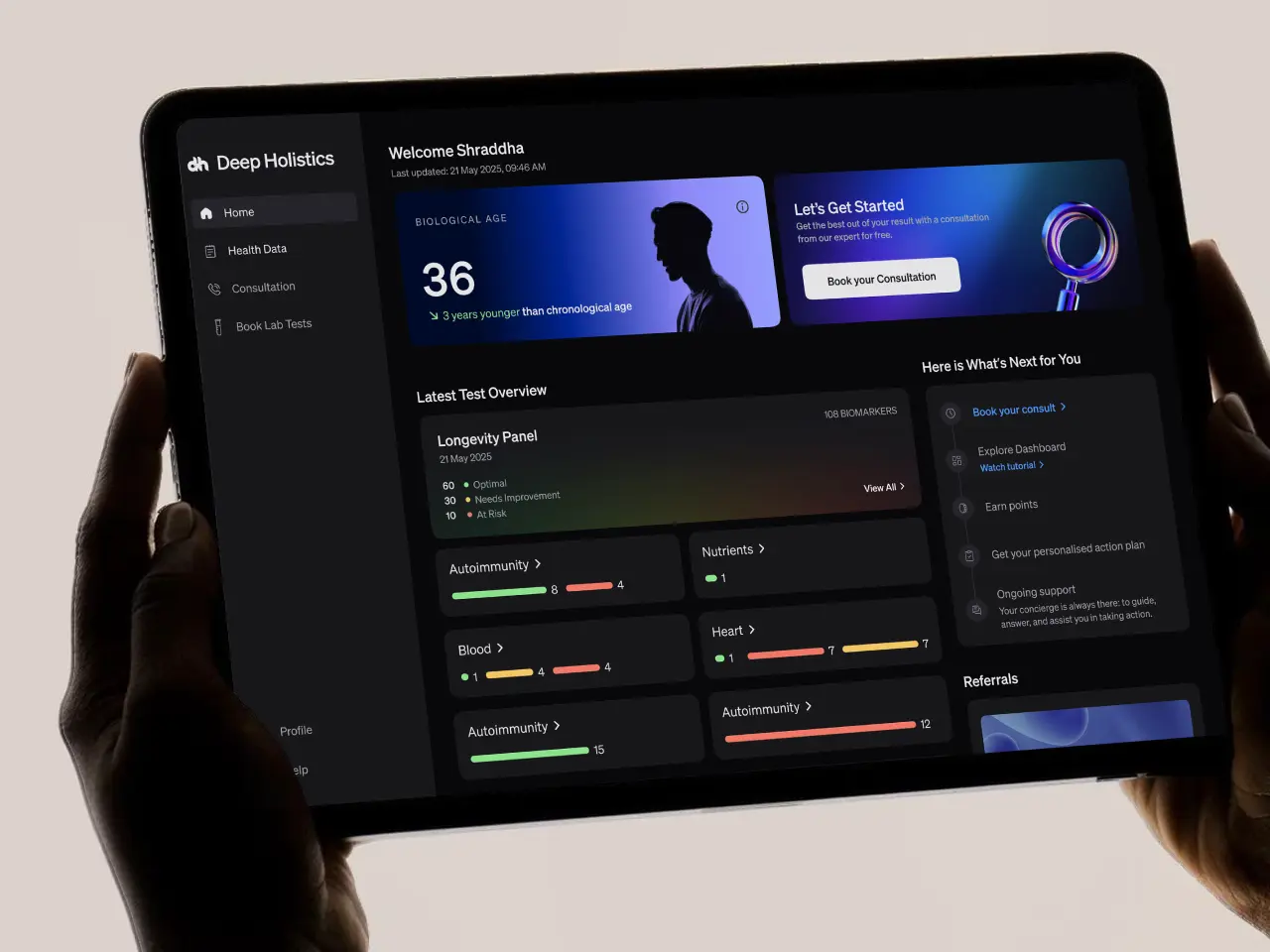
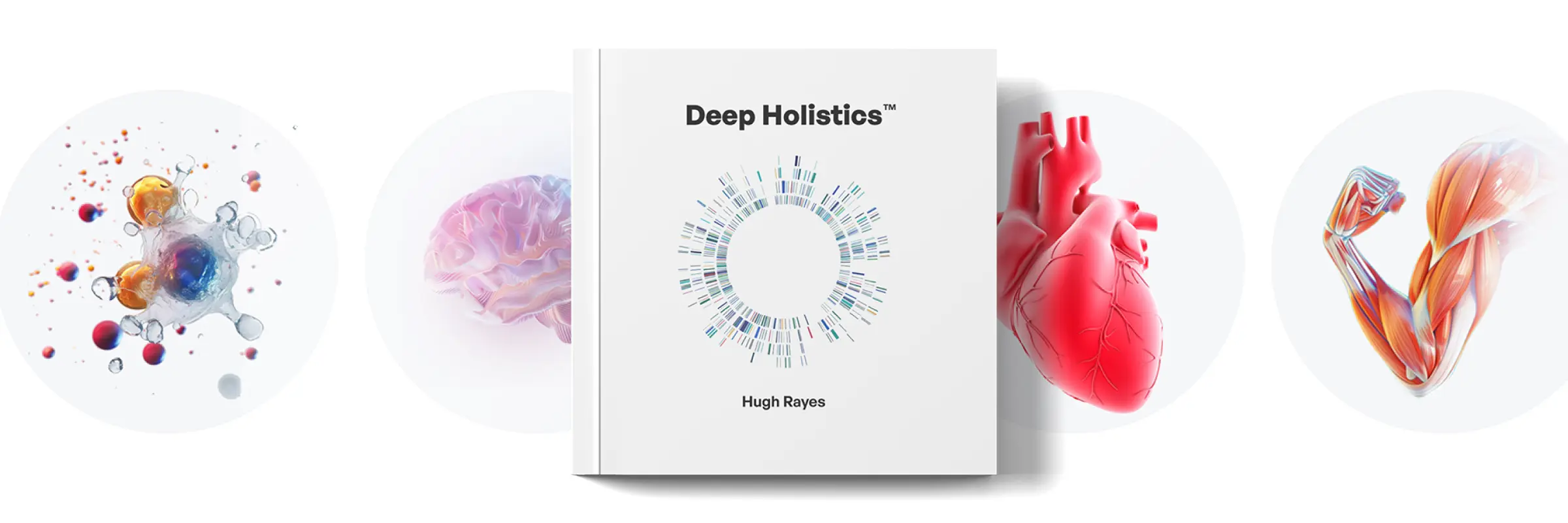
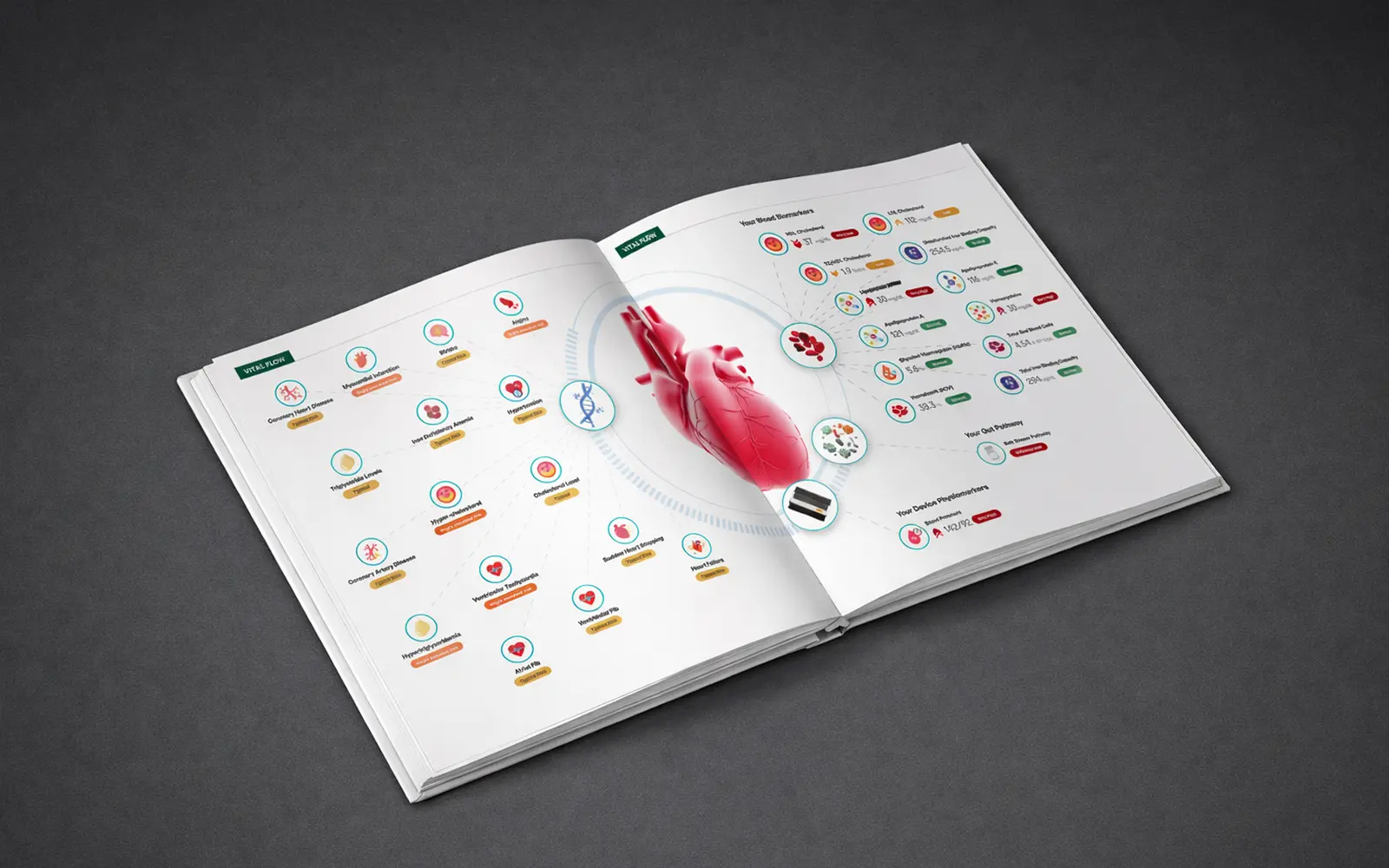
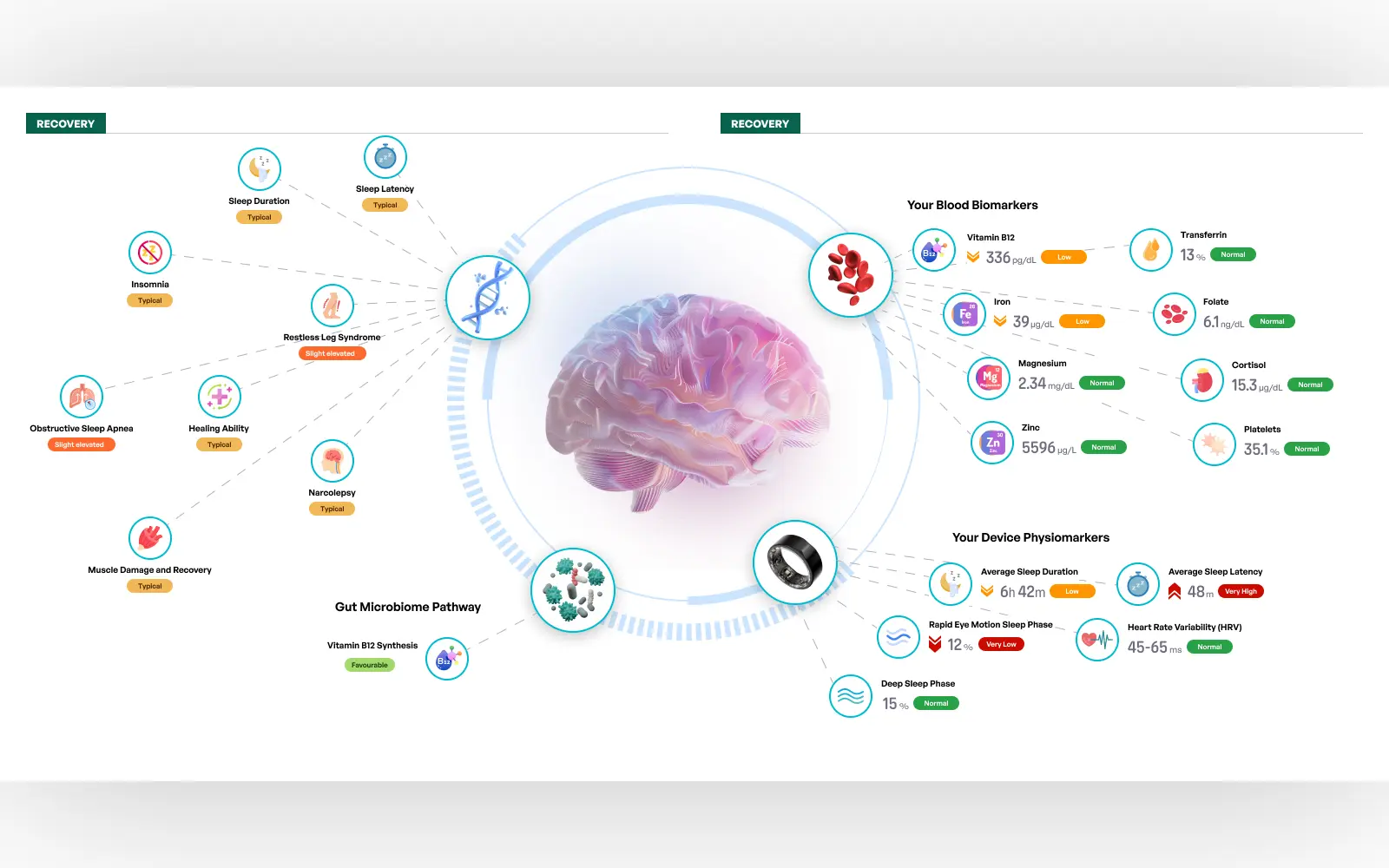
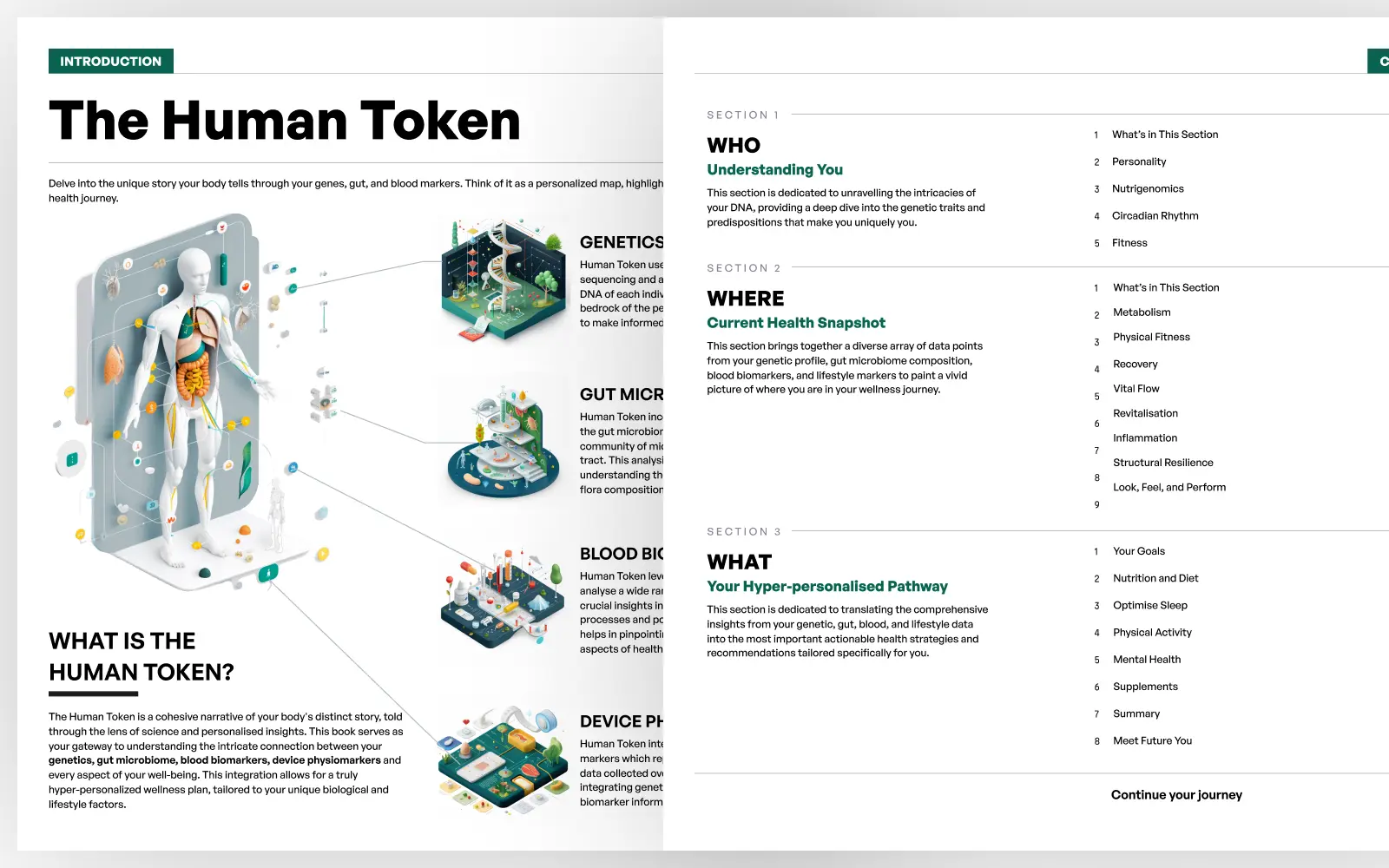
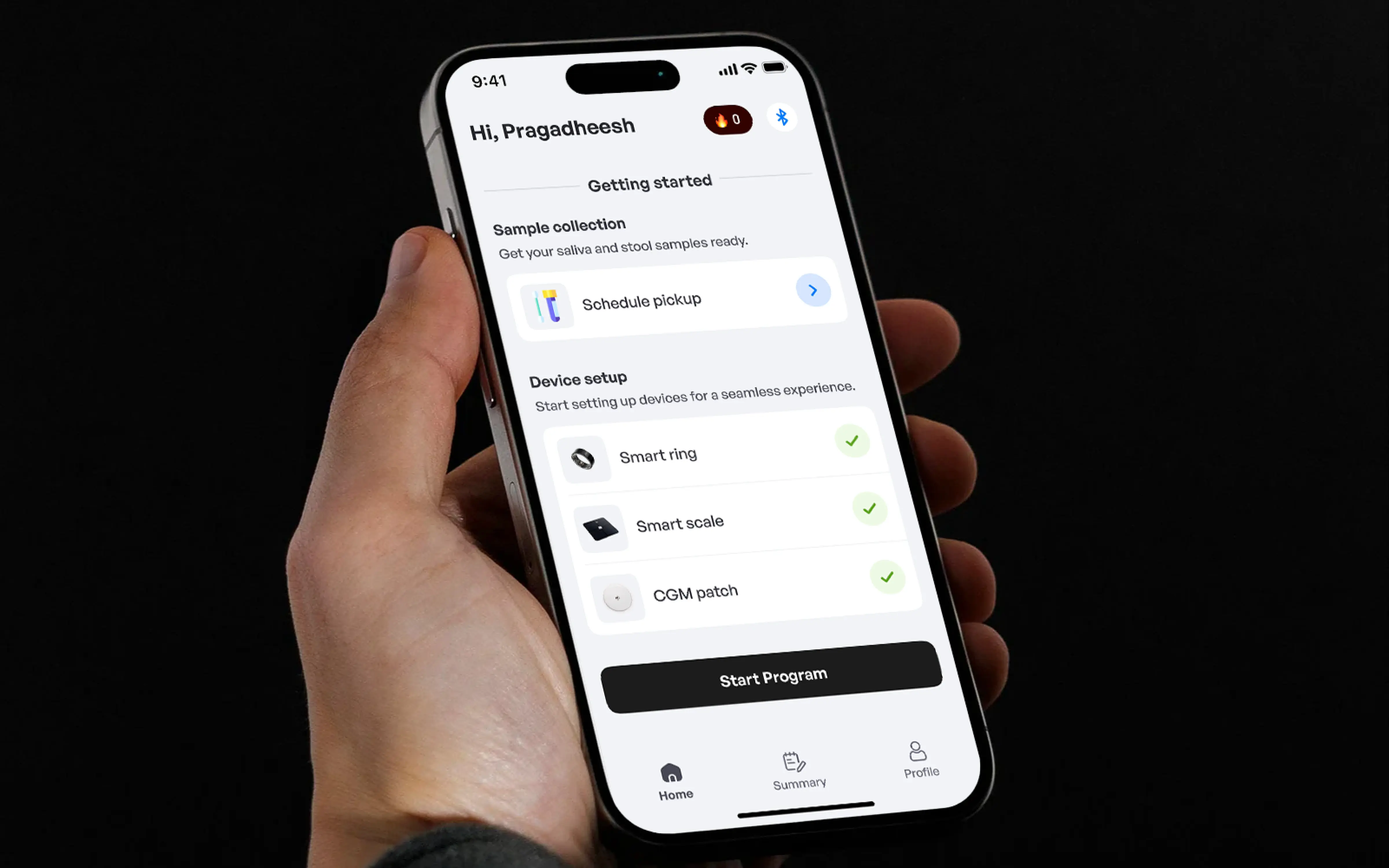
The Human Token was a software platform and a physical book. Four layers of health intelligence: genetic data, gut microbiome, blood biomarkers, lifestyle signals. Mapped across body systems and projected against biological aging trajectories. The goal was not to give someone more data. It was to show them where their body was today and where it was heading, with and without intervention.
Genetic data had to come first. It does not change. It is the fixed map of what someone is predisposed toward. Gut health came second because microbiome composition actually shifts with intervention, typically over six to eight months. It is the layer that responds. Blood biomarkers came last because they capture the body's current state. With the other two layers already read, a blood result meant something different than it would in isolation. An elevated marker was no longer just a number. It was a signal sitting against a context.
Without that sequence the data was still useful. With it, the correlations became visible. And the correlations were the point.
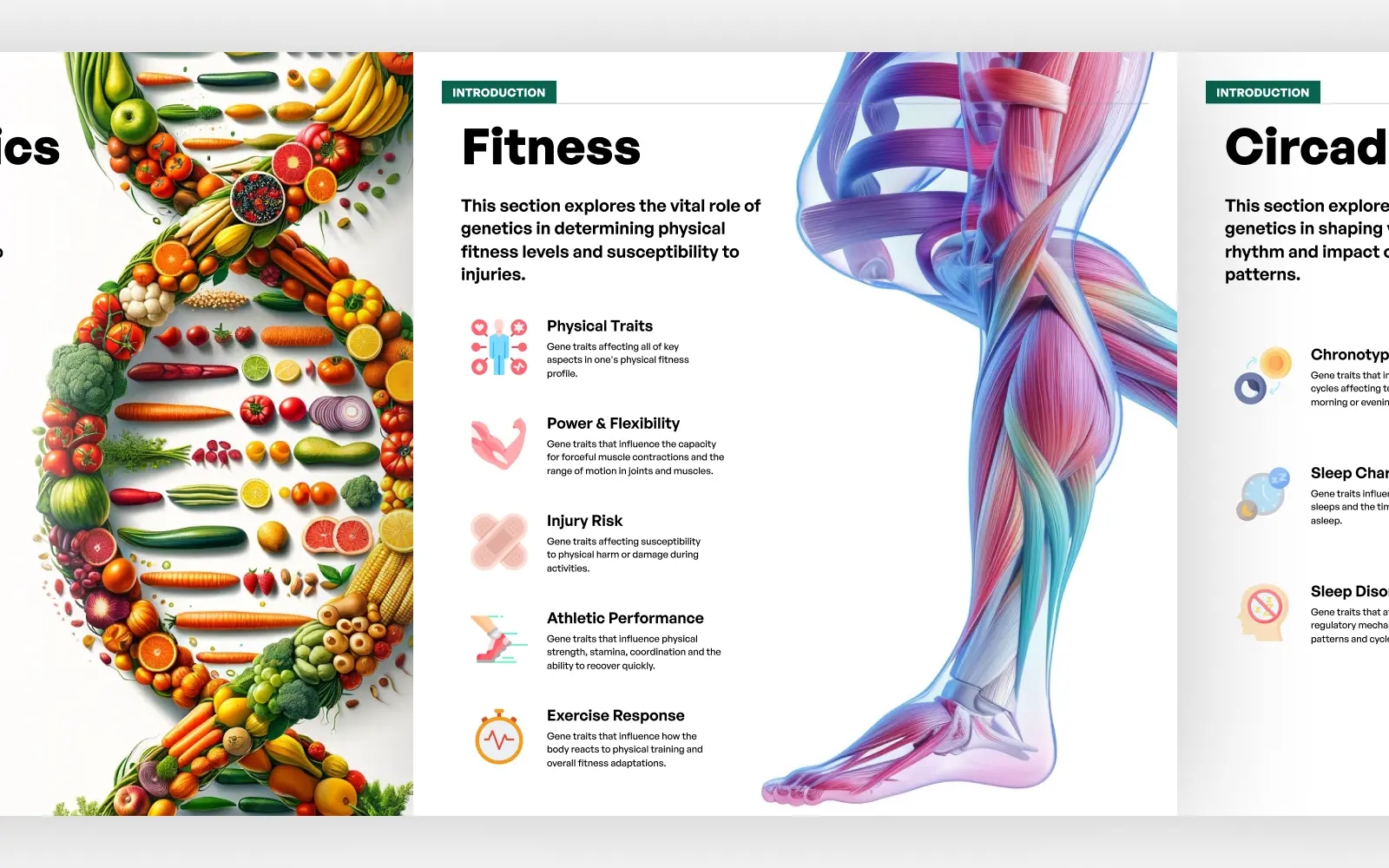
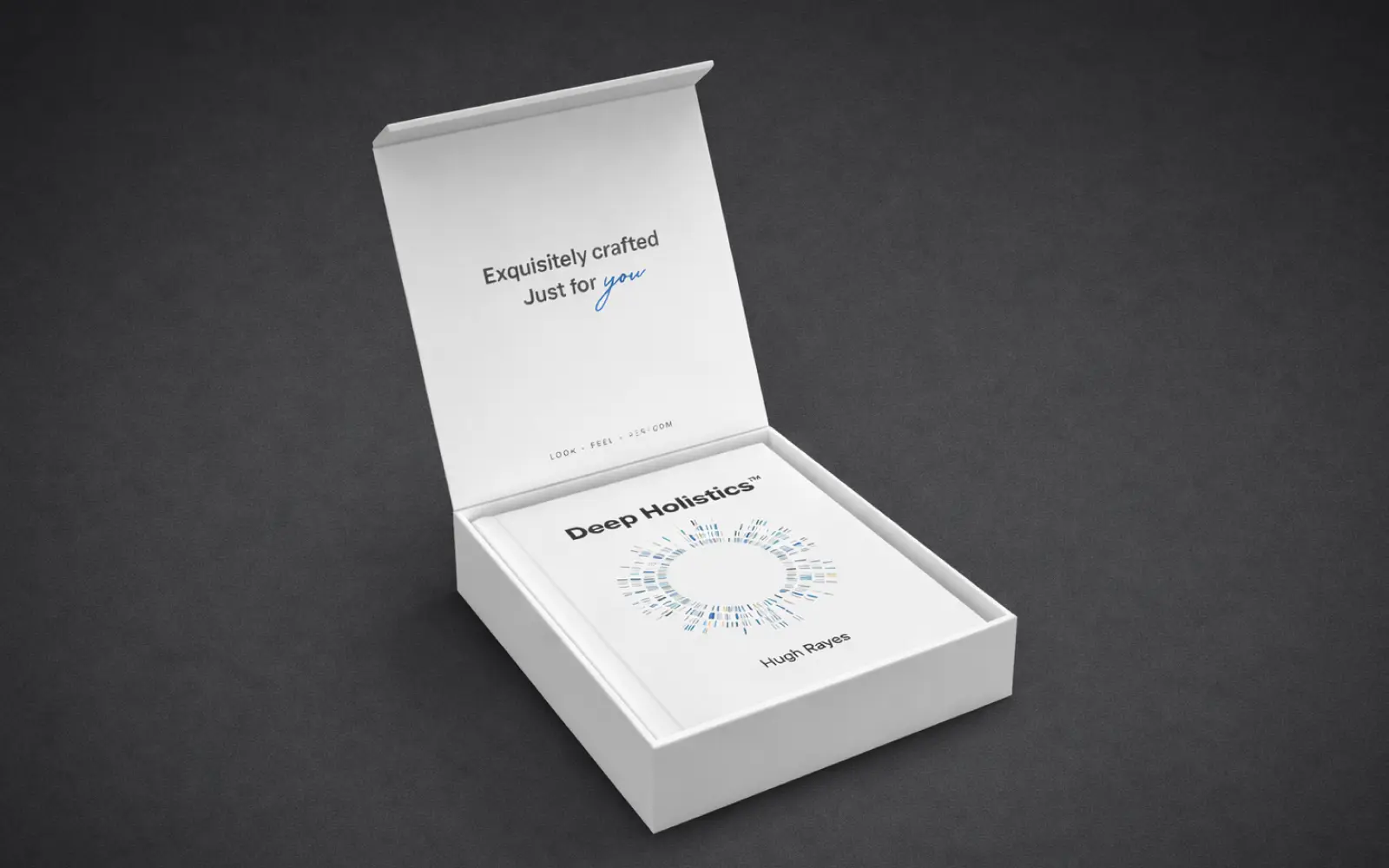
The book was how we brought all of that into someone's hands. Nothing like it existed in India at the time. The problem was not the science. The problem was comprehension. Most people needed to hold it before they understood it.
Design as a strategic decision
When we began designing The Human Token, I made a deliberate choice to look at nothing in healthcare for reference. Not because healthcare design is bad, though often it is. Because the visual language of healthcare carries a specific emotional signal: this is clinical, this is institutional, this is for when something is wrong. That signal was exactly what we needed to avoid. We were asking people to engage with their health before anything was wrong. The design had to say something different.
The references came from editorial magazines, luxury print, documentary film, art books. I was looking for the feeling of something made with genuine care and a clear point of view. Something a person would pick up because it was beautiful before they knew what it contained.
The first version was 148 pages. We reduced it to 80 for the launch. Early readers moved through the full version with interest but the volume worked against them. By the time they reached the action plan, the earlier context had faded. Reducing to 80 pages forced a discipline that improved the product. Every page had to earn its place. Interpretation took priority over raw data. The book became more useful because it became less complete.
There were strong operational arguments against the book throughout. It was expensive to produce. It was slow to deliver. It did not scale the way a digital report could. The hardest part was that none of our reasons for keeping it were easy to quantify. We had feedback, observation, and conviction. We did not have a clean metric. We kept it anyway.
The insight
In a category where trust had not yet been established, the experience of the thing was the argument. A digital report could carry the same data. It could not carry the same weight. Literally and figuratively.
The book was not a delivery mechanism. It was the first piece of evidence that we took this as seriously as we were asking our users to.
The real insight lived in the connections. A gut marker explaining a chronic inflammation pattern. A genetic predisposition reframing years of unexplained fatigue. A lifestyle signal quietly accelerating biological aging in one specific system. These correlations are what preventive health is actually about. But they had never been made legible to the person they belonged to. By turning invisible, data-heavy analysis into a physical artefact with weight and pages and considered layout, we gave people a way to see not just their results but the reasoning behind them. When someone moved through the book, they were not just reading conclusions. They were seeing the work. And seeing the work built a level of trust that a summary could never build on its own.
What happened when people held it
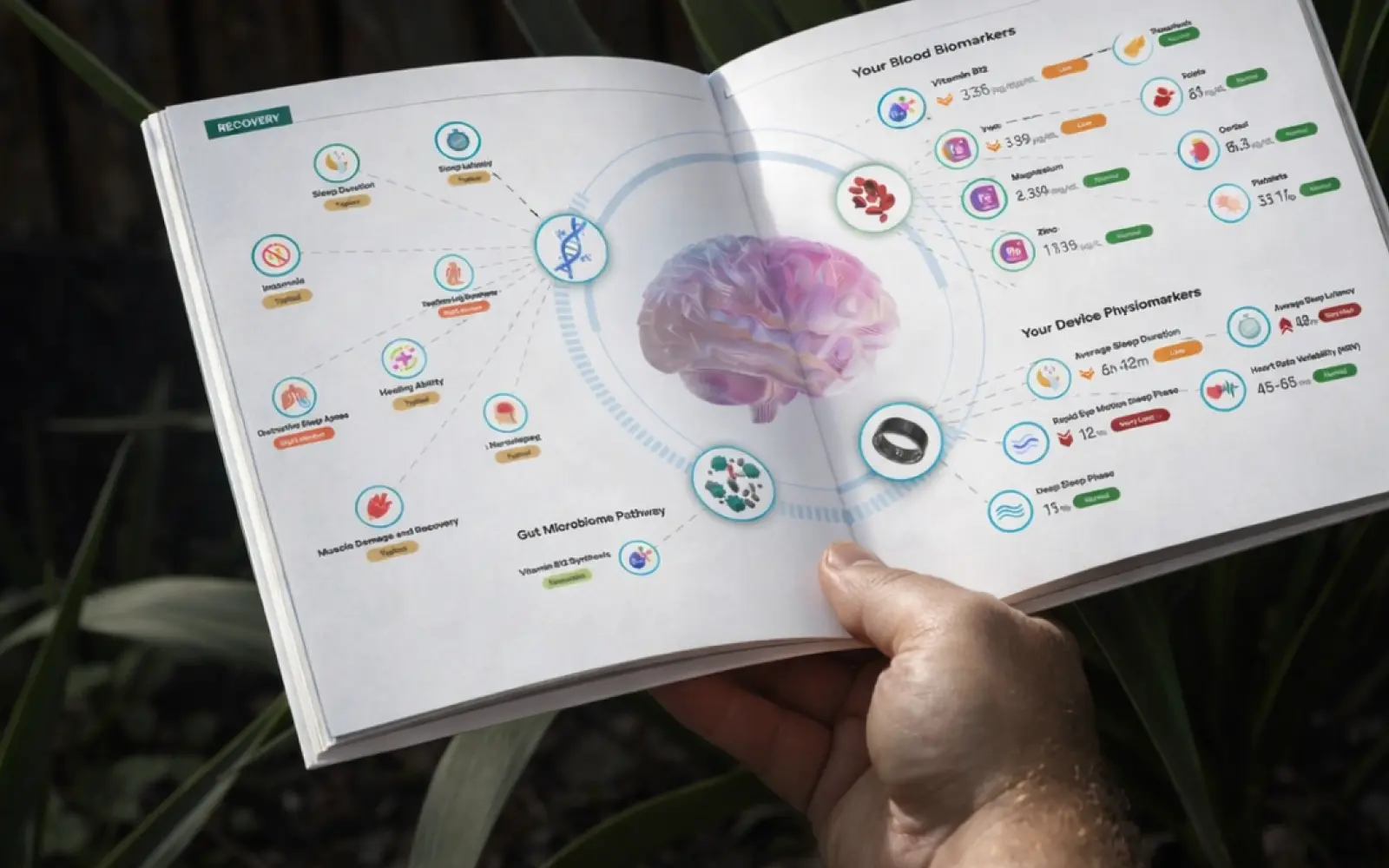
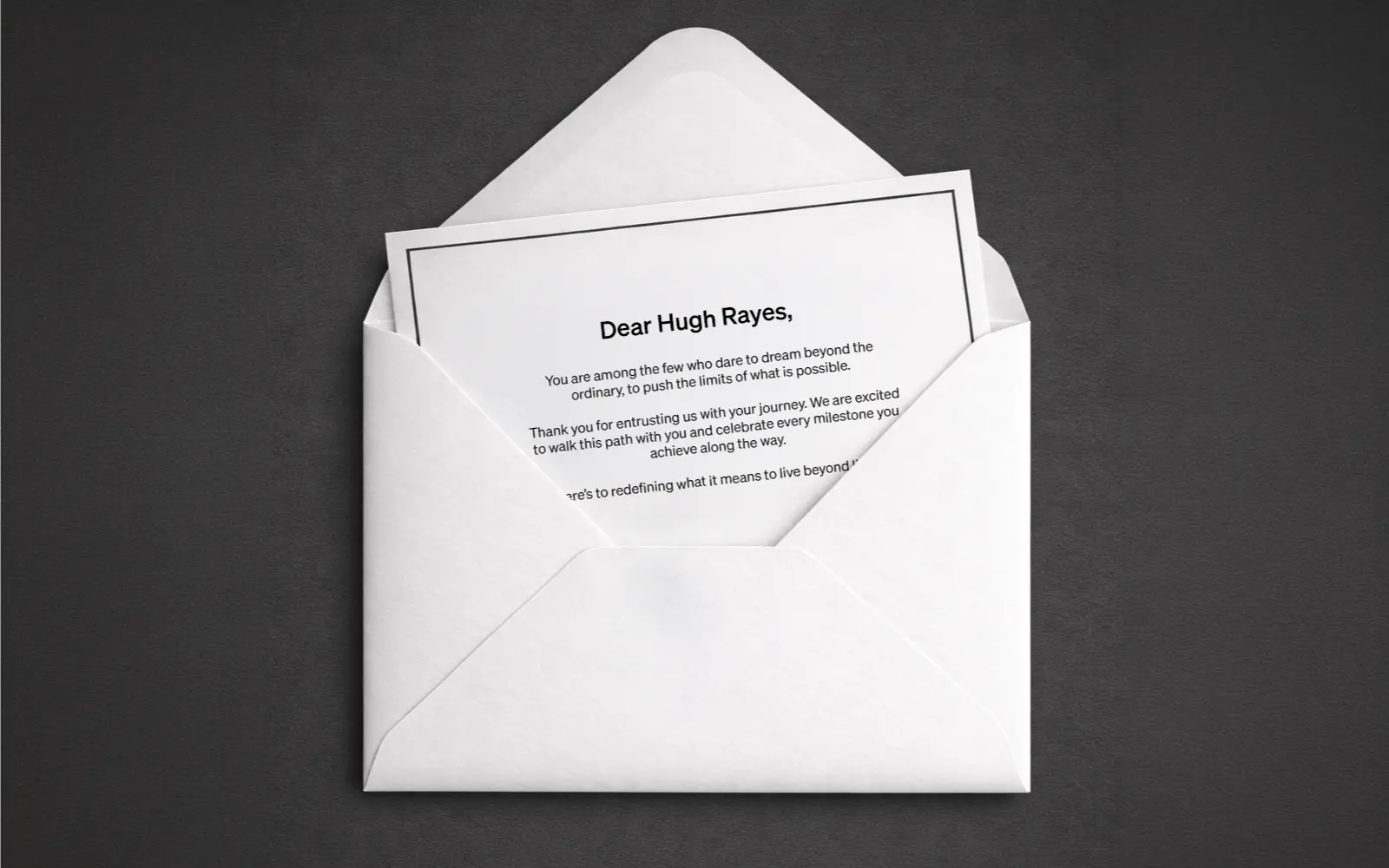
The book changed the conversation from the moment it arrived. We were not presenting a report. We were handing someone a document about themselves that had clearly been made with intention. The physical weight of it. The quality of the print. The editorial care visible in every spread. All of it communicated something before a single data point was read.
A senior healthcare professional who held an early copy said: "This is how a report should look." An artist said: "This is what happens when inspiration comes from someone passionate about the craft." Two completely different worlds. The same reaction.
Within the first year of launch, twenty Human Tokens were delivered across India, each priced at ₹1,50,000. The users were industry leaders, public figures, and people at the top of their fields who had the resources to pursue health at any level and chose this. That profile was not accidental.
One user described a section about salt perception. The report surfaced a genetic marker showing they were less sensitive to salty taste than most people, explaining a consistently higher salt intake than most of their family members. The report then connected it to their blood results, where uric acid was slightly elevated and blood pressure was flagged. It connected it to their gut data, which showed lower than ideal bacterial diversity in strains supporting blood vessel health, with the salt stress pathway flagged as unfavourable. Three independent signals. One explanation.
User Story
A user came in appearing healthy. Deeper data told a more complex story. Three independent signals pointed to one explanation they had never seen before.
- A genetic marker revealed lower sensitivity to salty taste, explaining a consistently higher salt intake than most family members.
- Blood results showed uric acid slightly elevated and blood pressure flagged as something to watch.
- Gut data showed lower than ideal bacterial diversity in strains supporting blood vessel health and inflammation control, further confirmed by the salt stress pathway flagged as unfavourable.
The response was not anxiety. It was recognition.
- Three independent data layers connected into one coherent explanation
- A pattern the user had lived with for years, finally made visible
- Small dietary changes made with confidence, not guesswork
- No dramatic intervention. A quiet recalibration with clear reasoning behind it
Across the first cohort, similar shifts happened. Not dramatic interventions. Quiet recalibrations. A supplement someone had taken for years turned out to be unnecessary for their specific biology. A sleep habit dismissed as personal preference turned out to have a hormonal marker behind it. A food someone had been avoiding turned out to be exactly what their gut profile needed. Small changes, made with confidence, because the reasoning behind them was finally visible.
User response
"It did not feel like a warning. It felt like someone explaining a pattern in my body that I had never noticed before."
What this taught us about trust
Building in preventive health in India meant building the category at the same time as building the product. There was no established behaviour to plug into. No mental model to borrow. We had to create the context in which the product made sense.
Design was not decoration in that process. It was the argument. A person who might have dismissed a conventional health report as something to file away found themselves reading the Human Token because it had been made to be read. The visual language said: This matters. This was made for you. This is worth your time.
That lesson has stayed with me across everything I have built since. In a category where trust does not yet exist, the experience of the thing is the evidence. You cannot explain your way into someone's confidence. You have to build something that earns it before a word of explanation is needed.