The pivot that became a platform
I had sleep tracked in one app, activity in another, nutrition in a third. By the time I added vitals and stress, I had four subscriptions and a growing sense that more data was making me less informed, not more. The picture I wanted did not exist anywhere.
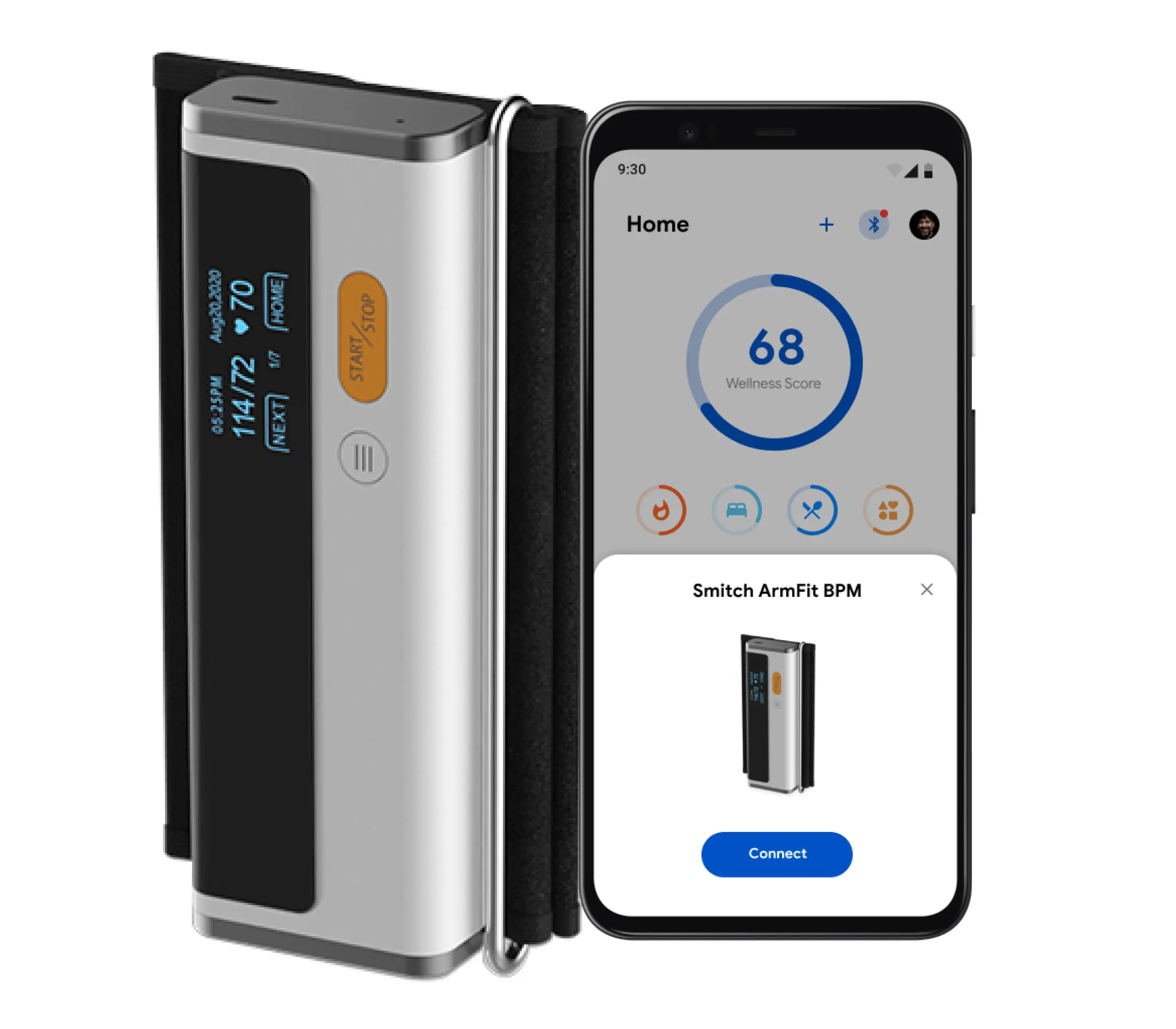
Smitch started as a consumer electronics brand. Smart home devices, built from our final year of a Robotics and Automation degree, scaled to 500K connected devices and 2 million users. We built our own firmware, our own cloud infrastructure, and an interoperability platform that could handle multiple device types and data formats seamlessly. Connecting a Smitch device felt like connecting AirPods to an iPhone. That was deliberate.
Then COVID hit. Logistics broke. Manufacturing stalled. Inventory became a liability. We had to make a decision about survival.
The easy version of this story is that we saw an opportunity in health and moved fast. The honest version is that we ran several months of internal retrospection before we committed to anything. We workshopped what we had actually built, what had worked, where we had failed, and what we could genuinely extend rather than start over. The interoperability platform was the answer. It was designed to handle multiple datasets, multiple device types, and multiple data formats. Health tracking devices largely run on BLE, store data locally, and push to cloud through a mobile app. We had already built that infrastructure. Smart Health was not a pivot away from what we were. It was the same platform pointed at a different problem.
The conviction came from that process. Not from a market report. From understanding precisely what we had already built and what it could become.
What the platform actually was
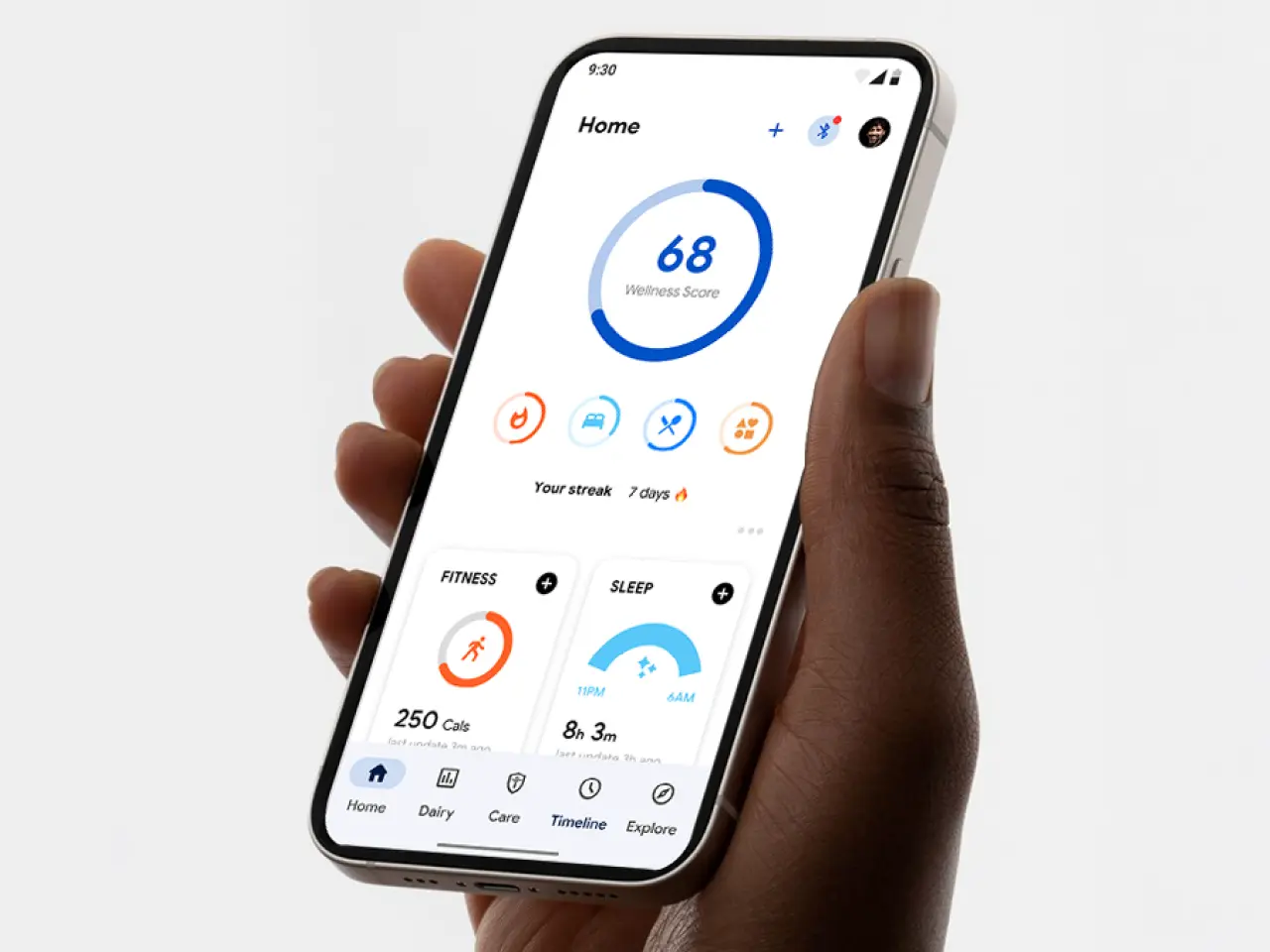
Smitch Care was a holistic wellness platform. Not a fitness app. Not a sleep tracker. Not a nutrition logger. All of those, and the connective tissue between them.
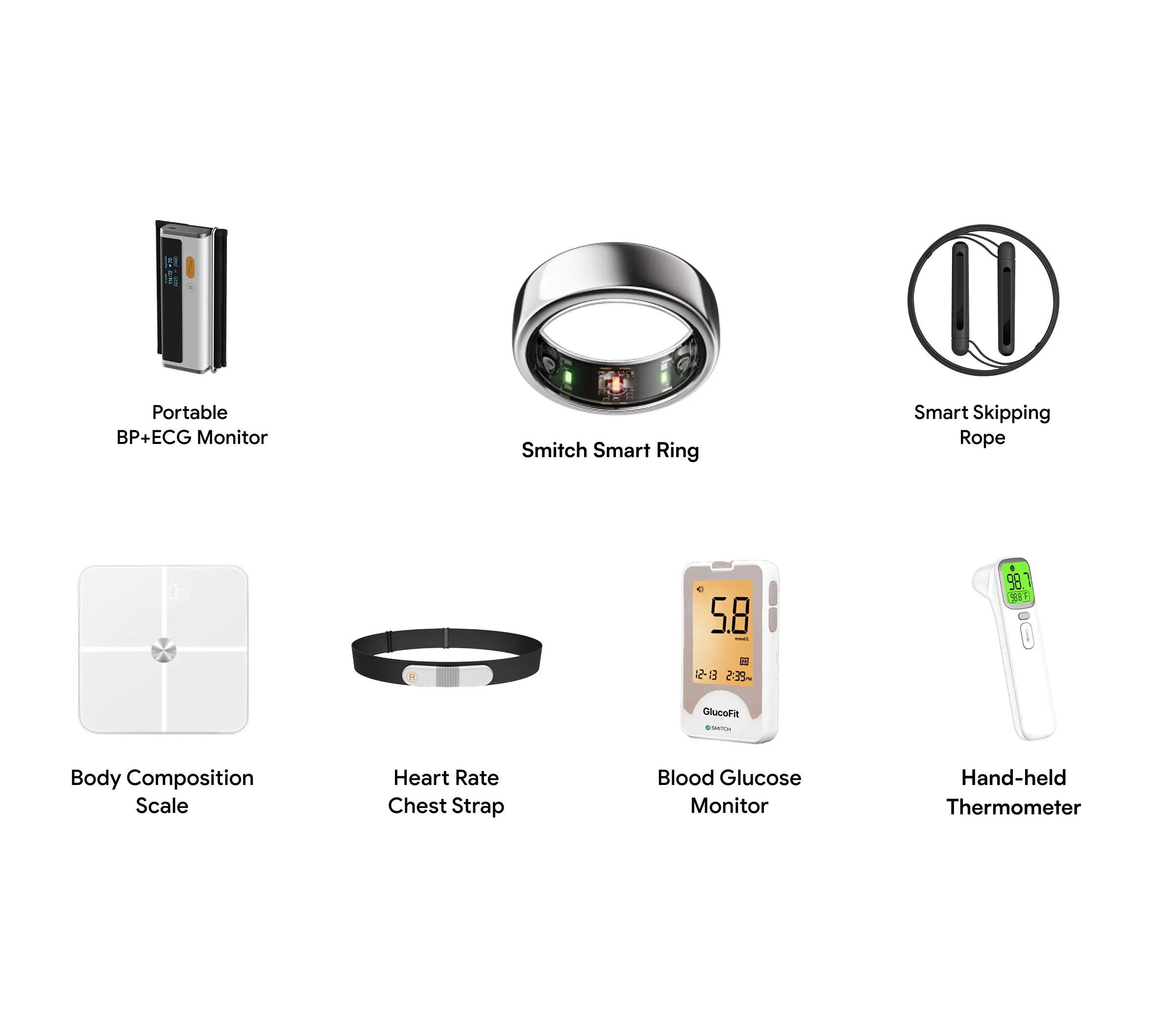
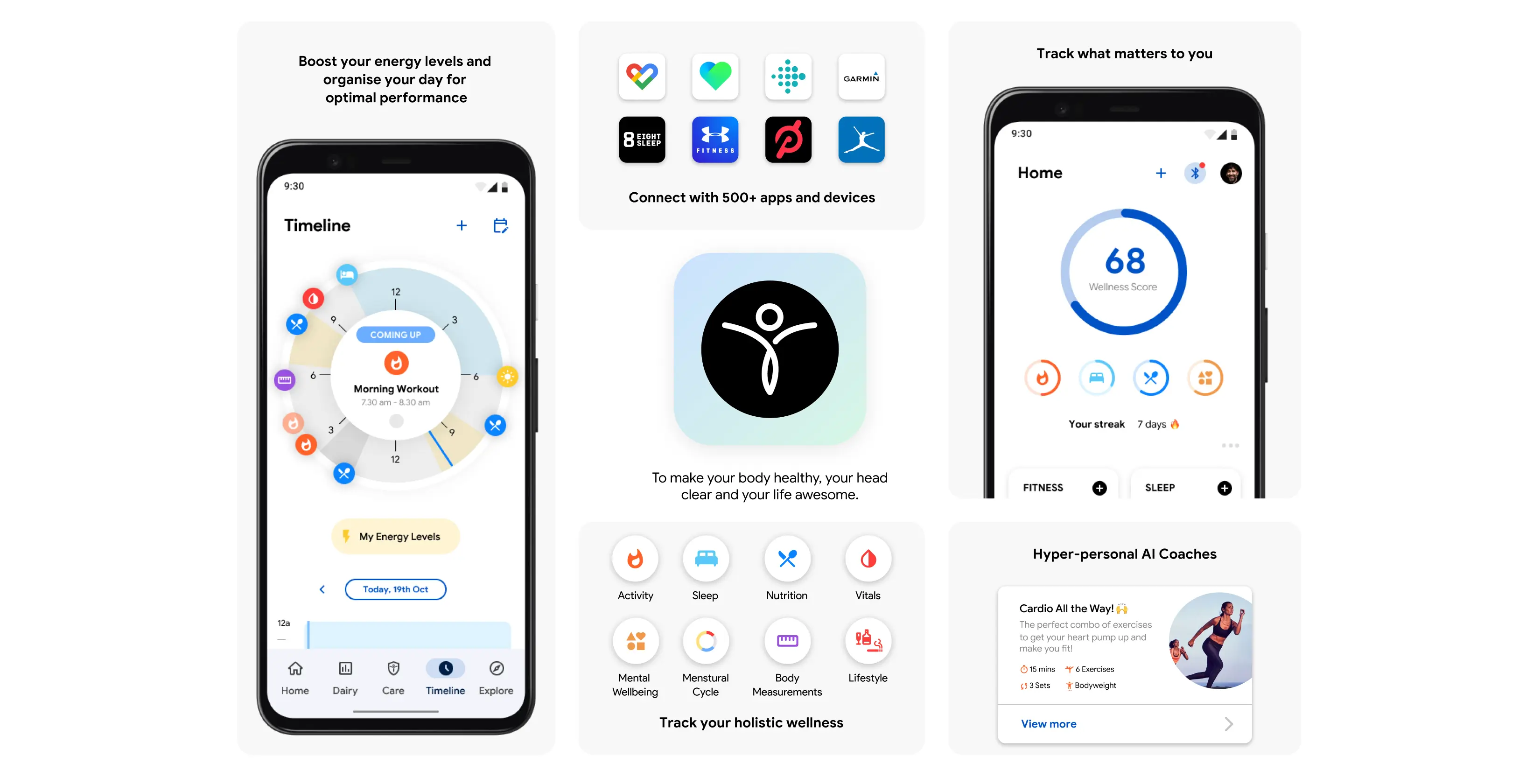
The scope was deliberate and ambitious. 17 dimensions of wellness. Activity, sleep, nutrition, vitals, mental wellbeing, body composition, menstrual cycle, lifestyle habits, energy levels, health records, and more. Over 150 different types of health data, drawn from Smitch hardware, third-party devices, and API integrations with Garmin, Eight Sleep, Peloton, Under Armour, and others. All of it live at launch. Not roadmap. Not prototype. Live.
The hardware ran on our own firmware, modified at the device level for seamless low-latency communication. The cloud infrastructure was the same system we had built for the Smart Home ecosystem, adapted to handle health data types. The infrastructure was not built from scratch. It was redirected. The same cloud system we had built for Smart Home, adapted for health data types. The same firmware architecture, modified at the device level for low-latency communication. The mobile app bridged device and cloud the same way it always had. We had already solved the hard problems once. That was the advantage.
The underlying belief was that the value of health data does not live in any single metric. It lives in the relationships between metrics. Sleep quality affects next-day workout capacity. Activity levels affect sleep architecture. Nutrition affects mood. Mood affects everything. Most apps gave you separate buckets. We built one system that read across all of them.
Track, Trace, Act
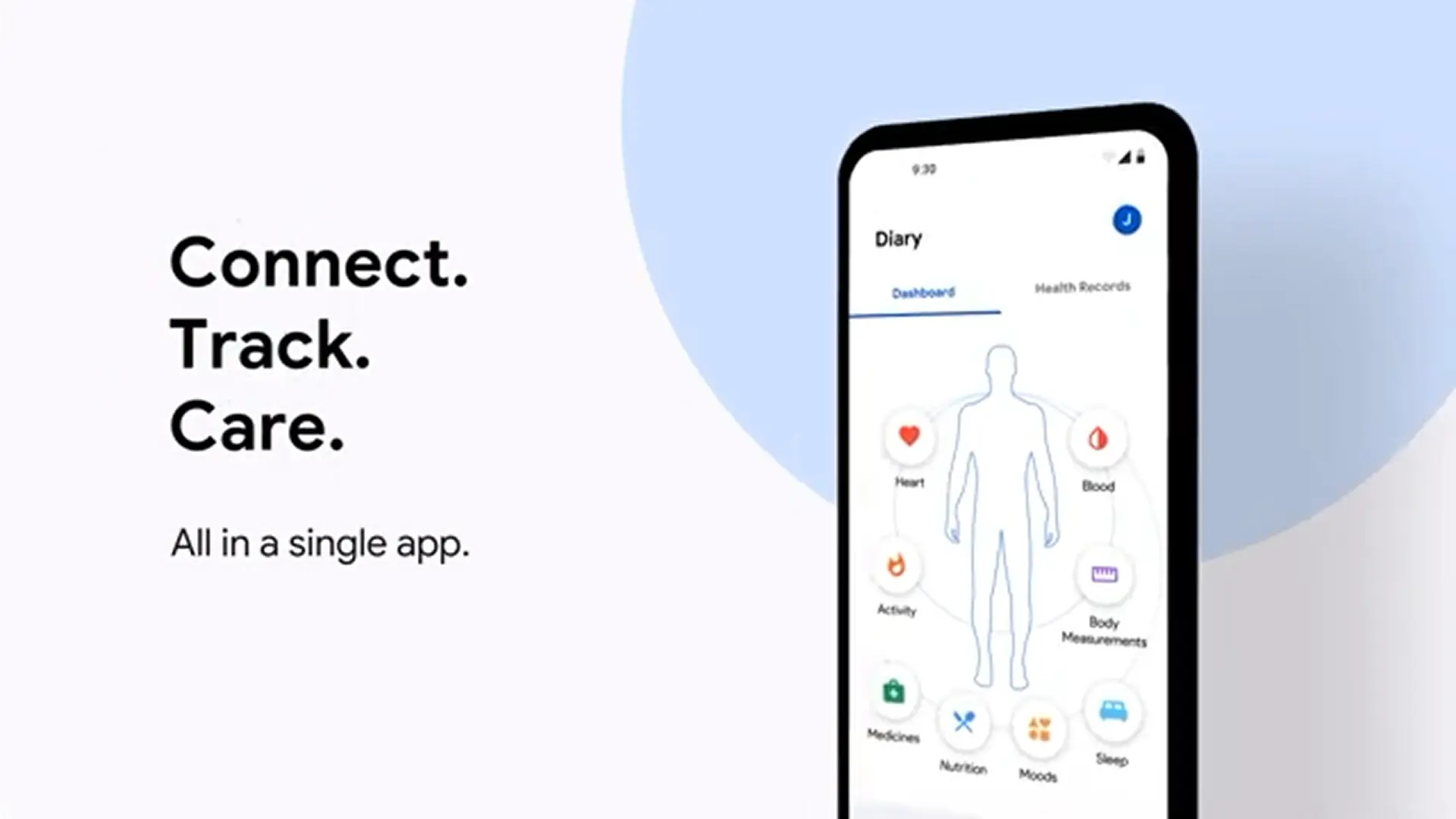
The product architecture was built on three principles. Track: give users a clear picture of what is happening across all dimensions of their health. Trace: surface meaningful patterns in that data over time, the factors driving their wellbeing, the things they had not noticed. Act: translate those patterns into a personalised plan that adapted to them rather than asking them to adapt to it.
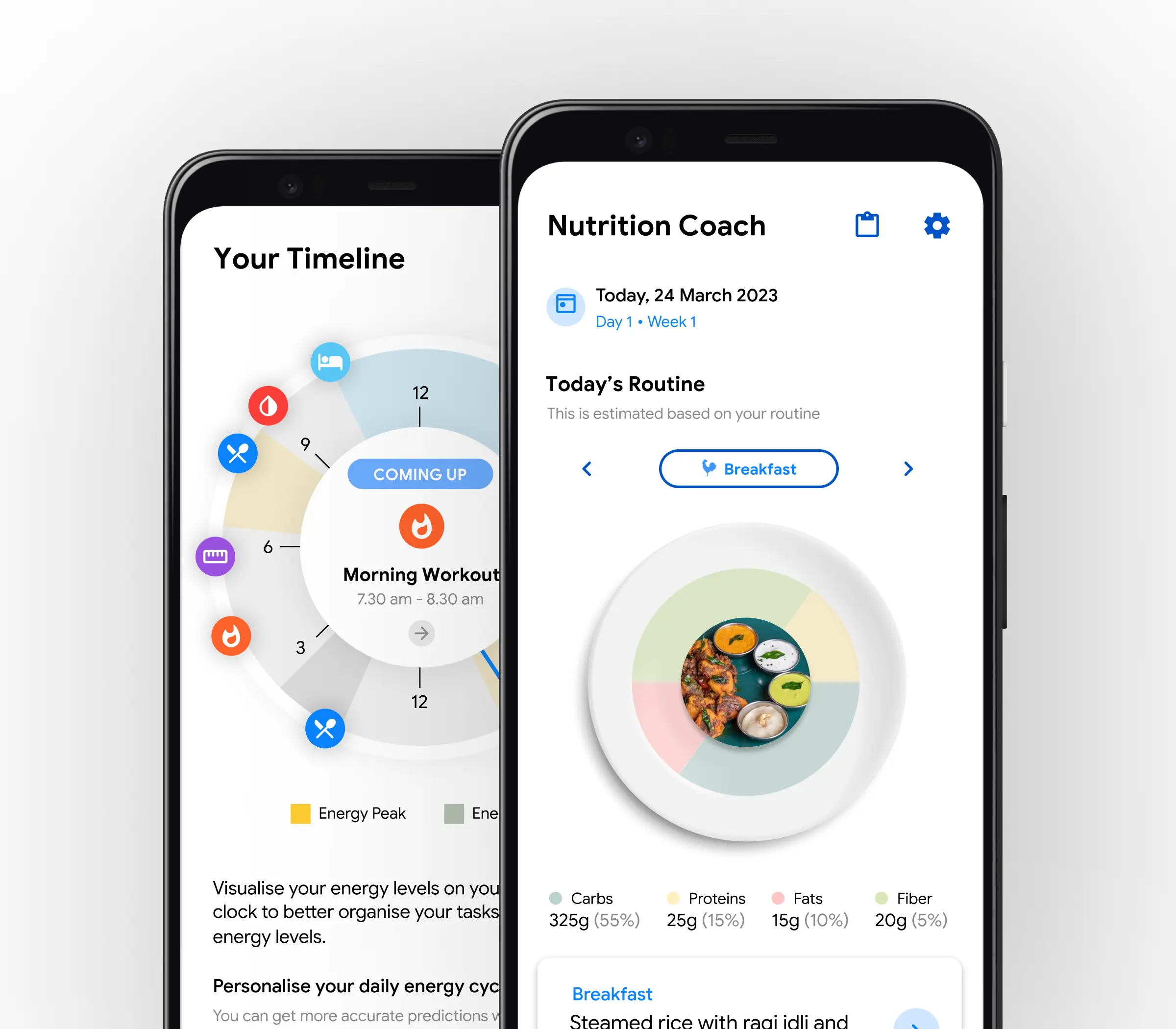
Each module was built to function as a complete product on its own. Activity had AI coaching, heart rate zone training, workout validation, and group challenges. Sleep had wind-down routines, quality analysis, AI coaching, and sleep aids including guided meditation, music, and breathwork. Nutrition had meal generation, macro and micro tracking, supplementation, and hydration. Vitals had medical-standard inferences, anomaly detection, ECG analysis, and AFib detection. Mental wellbeing had mood tracking, breathwork, meditation, and a two-minute journalling practice. Lifestyle habits, body composition, menstrual cycle, energy levels, and health records each had the same depth — every module a complete system, every system connected to every other.
The principle
Each feature on Smitch Care was essentially a separate app of its own. The hardest design problem was keeping the experience coherent across all of them without making the whole feel overwhelming.
The architecture that held it together was a shared data layer and a unified AI layer that read across all modules simultaneously. No data lived in a silo. Every tracking point fed into a common model that understood the user as a whole person, not as a collection of separate metrics.
Users noticed the difference quickly. People who had tracked sleep for years but never connected it to their training started adjusting workout timing after seeing how their sleep quality correlated with next-day performance. People who had managed nutrition in isolation started timing meals differently once they could see the impact on afternoon energy levels. The behaviour change was not dramatic. It was quiet and consistent. And it came from seeing connections that had always existed but had never been visible before.
The AI wellness coach
The most distinctive feature in Smitch Care was Vitalize 360, the AI wellness coach at the heart of the platform. It did not just surface data. It predicted how alert and capable a user would be at any point across their day, and built their daily schedule around that prediction.
The philosophy behind the coach was shaped in part by Michael Breus, the Sleep Doctor, and his book The Power of When. The central idea is that the timing of everything, sleep, exercise, meals, focus work, social interaction, matters as much as the action itself. Each person has a biological chronotype that determines when their body and mind perform best. Vitalize 360 was built around that idea. Not a generic daily plan. A schedule tuned to when your body was actually ready for what you were asking of it.
The engine was built on a modified version of the SAFTE algorithm. Sleep, Activity, Fatigue, and Task Effectiveness. a biomathematical model originally developed to predict cognitive performance based on sleep and wake patterns. SAFTE models three things: circadian rhythm, sleep pressure accumulated from time awake, and sleep inertia in the period immediately after waking. I modified it to take in significantly more data points: activity levels, heart rate variability, nutrition timing, hydration, mood inputs, and lifestyle signals like alcohol and caffeine intake.
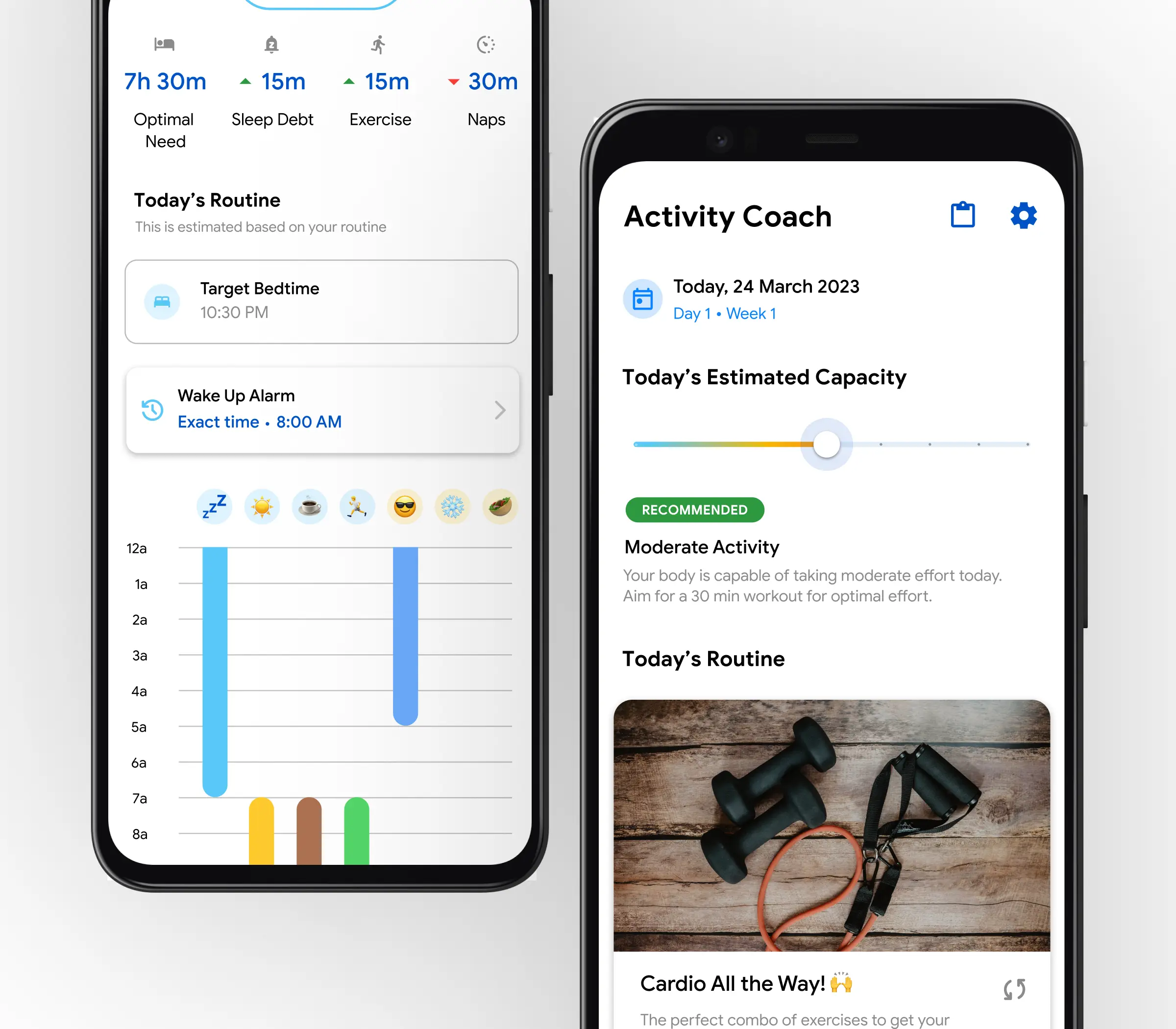
The result was a predictive schedule. The Timeline section in the app was not a calendar. It was a full-day personalised map of a user's energy. Peaks, dips, recovery windows, with recommendations built around those predictions. If sleep quality fell below a threshold, the next day's exercise intensity was automatically reduced. If it fell further, a rest day was suggested. The system calculated caffeine cutoff times, blue light cutoff times, and alcohol cutoffs calibrated to the user's specific sleep architecture to maximise sleep quality that night.
If the system detected stress signals from HRV or mood data, it would surface a short breathing or mindfulness session at the right moment in the day, not as a generic reminder but as a contextual intervention timed to when the user was most likely to need it and most likely to use it.
AI Coach in action
A poor night's sleep did not just generate a notification. It changed the entire next day's plan.
- Exercise intensity reduced automatically based on sleep quality score and HRV.
- Caffeine and blue light cutoffs recalculated to optimise sleep recovery that night.
- Breathing or mindfulness sessions surfaced contextually when stress signals were detected.
- Energy peaks and dips mapped across the day so users could schedule demanding tasks accordingly.
One designer, three years
After the pivot, I was the only designer on Smitch Care for almost three years. Every module. Every UI. Every interaction pattern. Every business logic. Every developer handoff. The full product architecture of a platform spanning 17 wellness dimensions, designed, documented, and delivered by one person.
The hardest design problem was not any single feature. It was coherence. Each module was a complete product with its own depth, its own data model, its own interaction logic. The challenge was holding all of it together in a way that never felt overwhelming to the user, no matter how deep they went. Building an architecture that could absorb that level of complexity without exposing it.
Handoff was the biggest operational challenge. Documenting clearly enough that engineers understood exactly what was expected, not just what was drawn. I was often sitting with developers side by side, making changes in real time, bridging the gap between intent and implementation. It was slower than a larger team but the output had a precision that came from one person holding the entire design system in their head simultaneously.
The research depth required for each module was extraordinary. Building the sleep module meant reading extensively on sleep science, chronobiology, and sleep architecture. Building the menstrual cycle module meant working with gynaecologists and women's health researchers. Building the vitals module meant working with cardiologists on what AFib detection should and should not do. The nutrition module required collaboration with registered dietitians and functional medicine practitioners. None of this was desk research. It was focus groups, user interviews, workshops, and ongoing collaboration with external experts across every domain the platform touched.
It would feel redundant now with AI able to synthesise that research in minutes. At the time it was simply what the work required. Reading, talking to people, testing assumptions, building pipelines, iterating. That process shaped how I think about building products more than any single outcome it produced.
What it became
Smitch Care was sunseted when the Smart Home devices were wound down. The health IP was transferred in full to Deep Holistics. The codebase, the AI models, the anonymised user data, the platform architecture. All of it. What we had built became the foundation of something new.
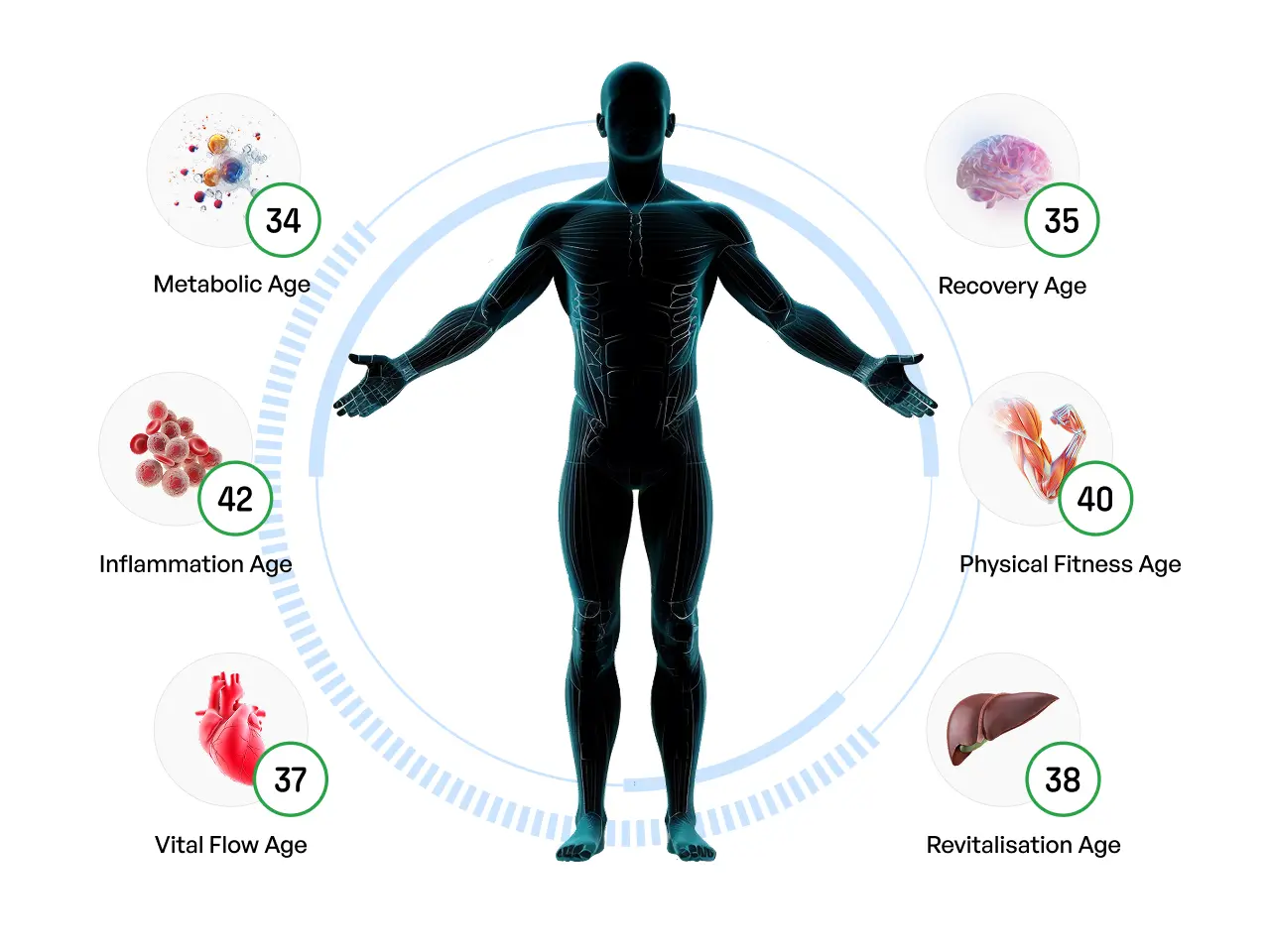
The two products served different users and different needs. Smitch Care was built for urban health enthusiasts who wanted a single platform that could bring together everything they were already tracking. The breadth was the point. Deep Holistics was built for a different question entirely. Not how much can we track, but what does all of this data actually mean about who you are and where you are heading.
The three years of building Smitch Care taught me something that shaped everything that came after it. Complexity at the data layer is only valuable if it disappears at the experience layer. The user should never feel the weight of what the system is doing. They should only feel the result.
Smitch Care System Overview: What the platform was actually built to do