Three audiences, three anxieties
Baseline is a preventive health product. The challenge with marketing a preventive health product is that the audience is not sick. They are not searching for a cure. They are living with a low-level awareness that something could be done about their health, but they have not yet felt the friction that would make them act.
The first task was not creative. It was diagnostic. We segmented the potential audience into three distinct profiles based on behaviour and mindset, not demographics.
The Diagnostics segment: people who already take regular blood tests but have no idea what to do with the results. The data exists. The action does not.
The Lifestyle segment: people who are actively health-conscious, working out, taking supplements, tracking sleep, but quietly unsure whether any of it is actually working. They are doing the right things without knowing if they are doing the right things for their body.
The Symptom-driven segment: people with symptoms they have normalised. Not sick enough for a doctor. Not well enough to ignore it. They have made peace with a version of their health that is not their best.
Each segment had a different anxiety, a different entry point, and a different reason to care about Baseline. The campaign could not speak to all three with the same voice.

When the campaign became a film
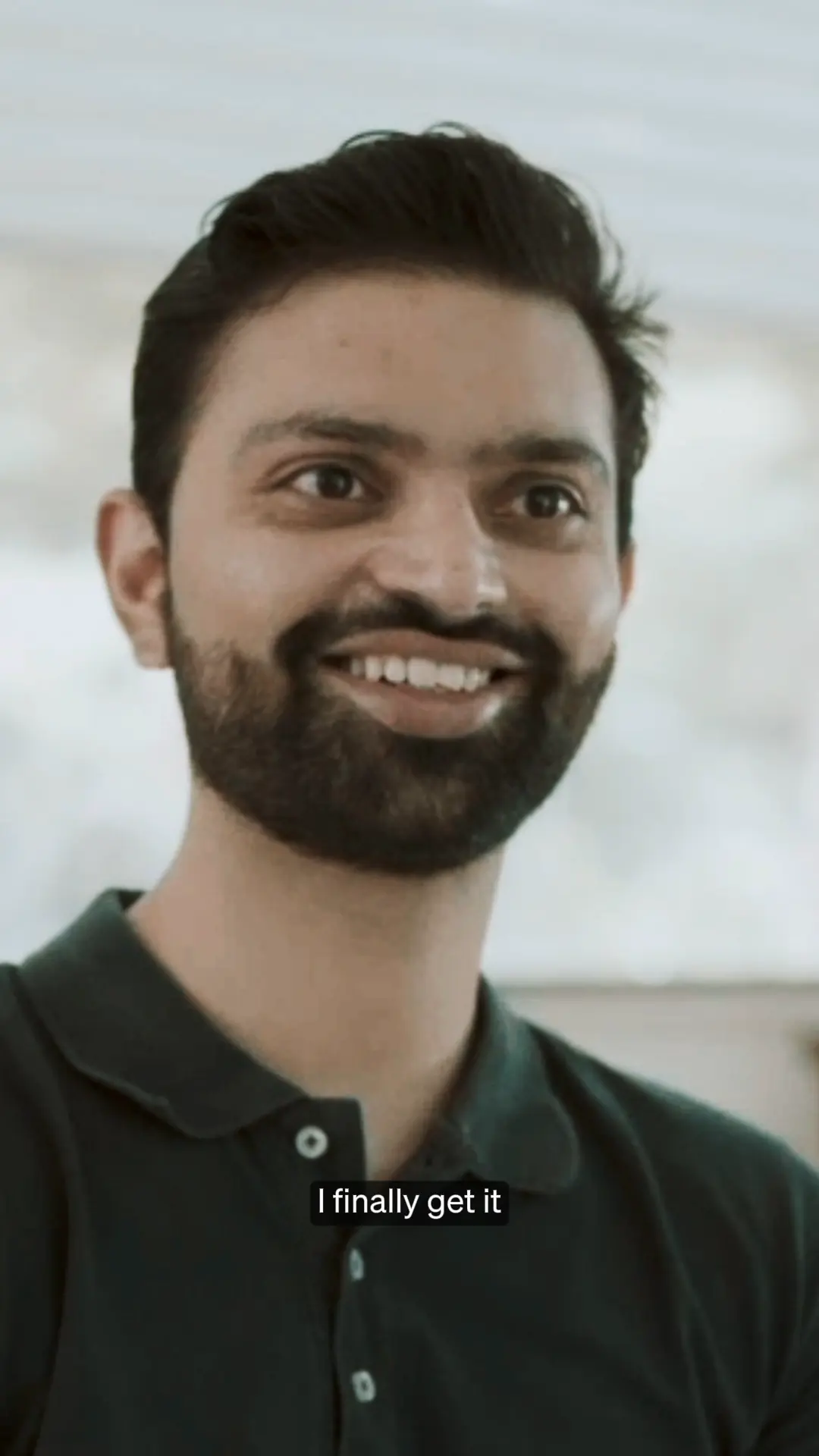
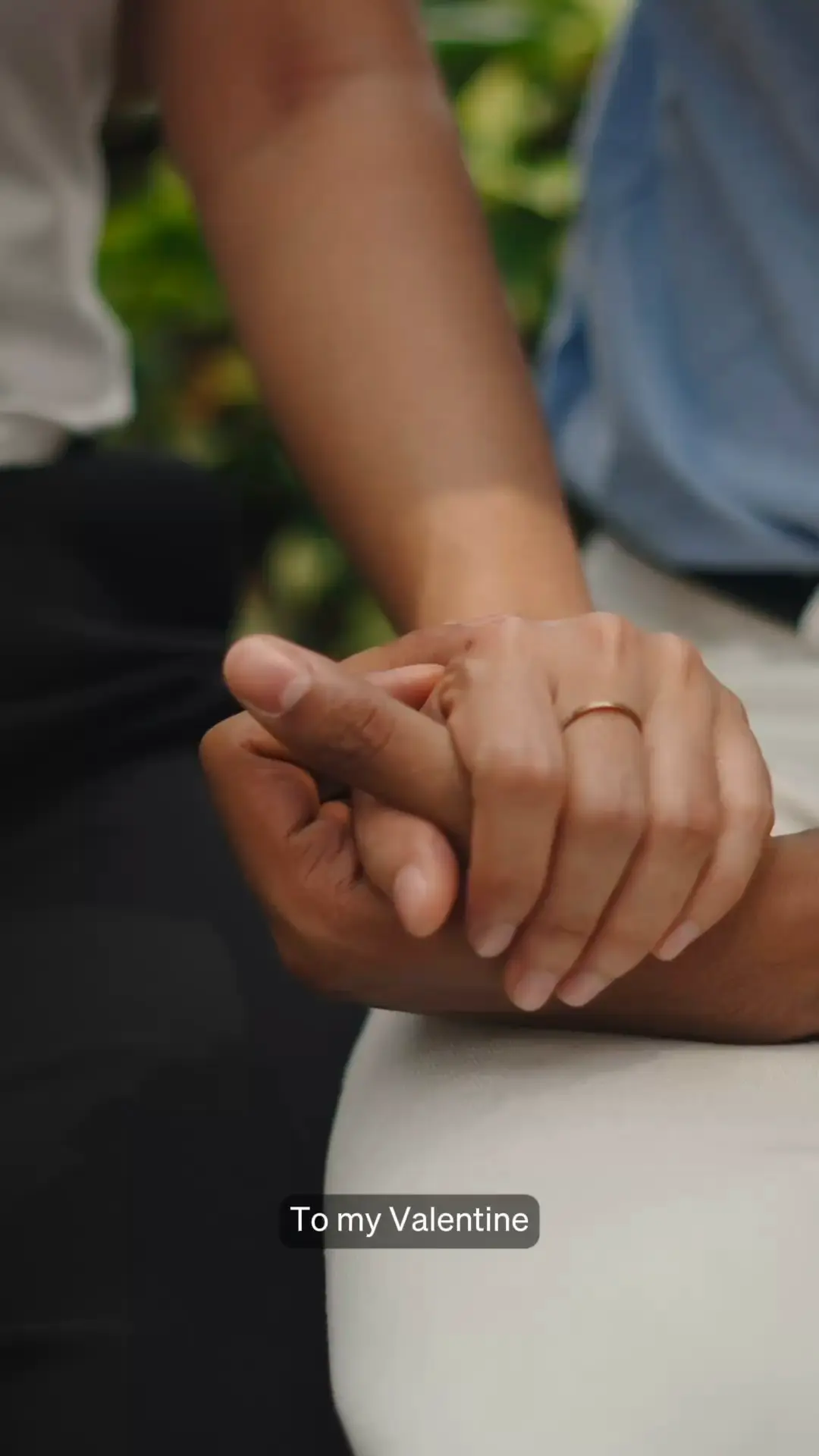
Alongside the segmented campaign content, we made something different. Not a product ad. Not a feature explainer. A film for Valentine's Day that asked a simple question: what does it mean to take care of yourself together?
The idea was that the most intimate thing two people can do is start knowing. Knowing your body. Knowing what you each carry. Knowing where to begin. Baseline was the beginning.
The brief to ourselves was emotional, not informational. We were not explaining a product. We were trying to make someone feel something about their own health and the person they love. That required a completely different approach to everything — script, pacing, visuals, voice, music.
The idea
Taking care of yourself together starts with knowing your Baseline. Together.
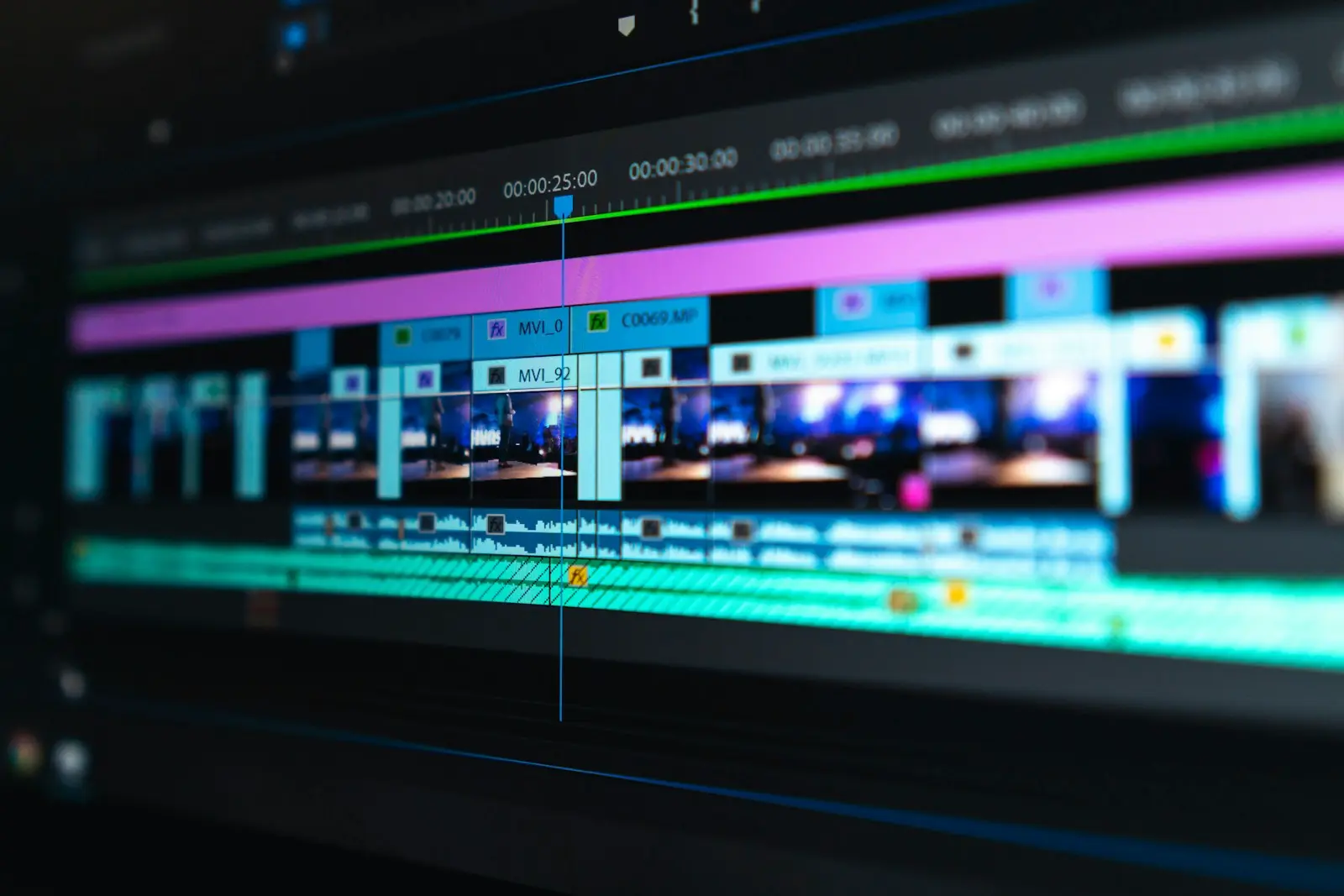
The production workflow collapsed the distance between a feeling and a finished film. Scripting in Claude to find the right emotional cadence. Video generation in Higgsfield and Freepik Spaces for the visual language. A soundtrack chosen for weight, not mood. An AI voiceover that carried the line without performing it. Final editing to bring it together into something that could land.
The combination of stock footage, AI-generated video, the right soundtrack, and an AI voiceover produced something that did not feel assembled. It felt made.
A lightweight creative engine, not just AI tools
The production challenge was real. Traditional campaign content for a health brand of this ambition would require shoots, studios, actors, and weeks of post-production. We had none of that. What we had was a clear brief, a strong point of view, and a set of AI tools that could collapse the distance between idea and output.
The workflow moved through five stages. Campaign ideation came first: defining the emotional angle, the hook, and the narrative for each audience segment. Creative direction followed: establishing the visual language, tone, and pacing for each concept. Scripting was handled in Claude and ChatGPT, building on the creative direction to produce scene-by-scene scripts optimised for short-form video. Video generation used Higgsfield AI and Freepik Spaces for motion content, and Midjourney for static and hybrid assets. Final composition and editing was handled in collaboration with video editors who assembled the generated material into finished cuts.
What made this different from simply using AI was the layer of creative direction that sat above every tool. The tools generated. The direction decided. Which visual reference. Which pacing. Which line of copy. Which concept was strong enough to produce and which was discarded. The system was fast because the thinking was clear.
The workflow
Campaign ideation → Creative direction → Scripting → Video generation → Composition → Edit
The Campign Learnings
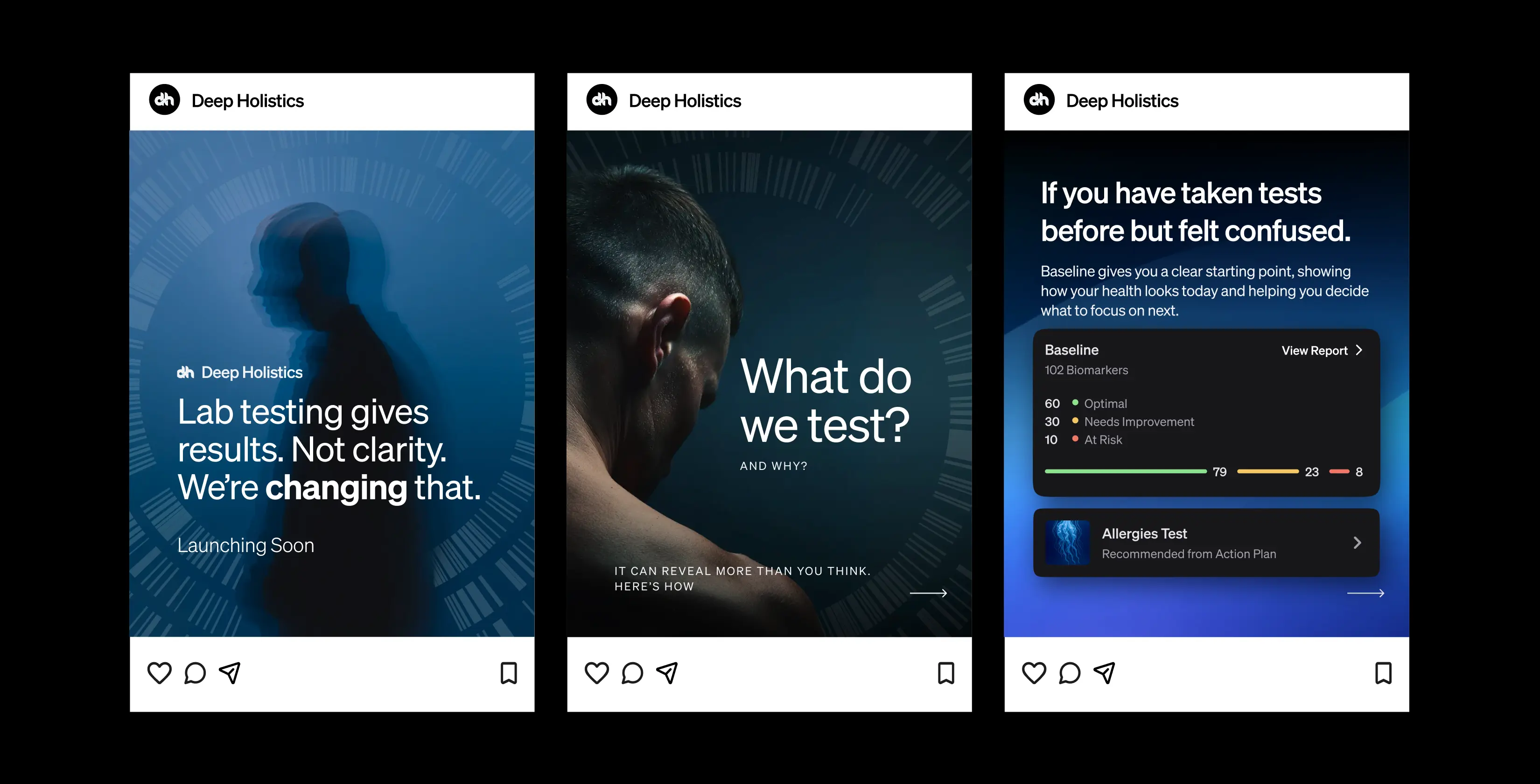
Certain narratives consistently outperformed others. Audience response made the final decision on direction
- For the Diagnostics segment, the clarity angle landed: you already have the data, you just cannot read it.
- For the Lifestyle segment, validation won: you are doing the work, but is it working for your body specifically?
- For the Symptom-driven segment, recognition opened the door: naming the low-grade symptoms people had normalised and reframing them as signals worth investigating.
Creative production itself is changing. This is what that looks like.
The value of audience segmentation is not in the categories. It is in the communication decisions that follow. Knowing that the Lifestyle audience is self-doubting rather than uninformed changes the hook. Knowing that the Symptom-driven audience has normalised their condition changes the emotional entry point entirely. Segmentation is only useful if it changes what you make.
The value of AI in a production process is proportional to the clarity of the brief above it. A vague direction produces vague content regardless of the tool. What this system demonstrated is that one person with a strong point of view and the right tools can produce campaign-quality content at a speed and volume that would previously have required a full creative team.
The question this work leaves open is not whether AI can accelerate creative production. That is settled. The question is what happens when the bottleneck shifts from production to judgement. That is where the work gets interesting.